
Maybe it’s the chipped front tooth you’ve learned to smile around. Maybe it’s staining from years of coffee, or a gap you’ve never quite liked. At some point you type smile makeover Walnut Creek into a search bar and find that every page seems to describe something a little different.
There’s a reason for that. A smile makeover isn’t one procedure. It depends on your teeth, your oral health, what you want to change, and what you’re comfortable spending. Knowing the basics before you book a consultation makes that first conversation much easier.
What Is a Smile Makeover?

It’s a plan, not a single treatment. A smile makeover combines one or more cosmetic or restorative dental treatments to improve how your smile looks and, in some cases, how it works.
For one person, that could be whitening and a small repair to a chipped tooth. For someone else, it might involve veneers, crowns, or replacing missing teeth. Your dentist decides what makes sense after examining you, and your own goals matter just as much.
What Treatments Can Be Part of a Smile Makeover?
Most people need only a few of these. Plenty need just one.
- Professional teeth whitening lightens stains on natural enamel. It won’t change the color of fillings, crowns, or veneers.
- Dental bonding uses tooth-colored resin to fix small chips, close minor gaps, or reshape a tooth. It’s usually one of the least invasive options.
- Porcelain veneers are thin shells attached to the front of teeth to change their color, shape, or surface. A little enamel is typically removed first, so veneers are considered permanent.
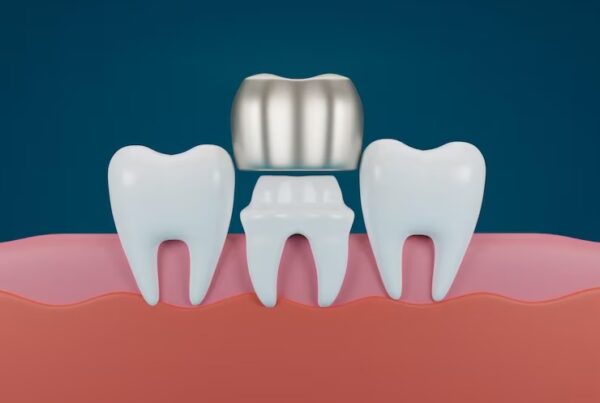
- Dental crowns are caps that cover teeth that are badly worn, cracked, or weak.
- Tooth-colored fillings treat cavities, or replace old metal fillings with a material that blends in.
- Dental implants and other restorative treatments, such as bridges or dentures, may come up when teeth are missing or can’t be saved.
- Orthodontic or clear-aligner treatment moves teeth into better position when crowding, spacing, or bite is part of the issue.
Nobody needs the whole list, and a good dentist won’t suggest it.
Who Might Consider a Smile Makeover?
People come to cosmetic dentistry for all sorts of reasons. Some of the most common:
- Stained or discolored teeth
- Chipped or worn teeth
- Gaps between teeth
- Uneven tooth shape or size
- Minor alignment concerns
- Missing or damaged teeth
Having one of these doesn’t mean you need treatment. Only an exam can tell you that. And any cosmetic plan should start with a look at your overall oral health, since a good-looking smile won’t last long on top of unhealthy teeth or gums.
What Should You Know Before Starting?
A few things are worth sorting out early.
Existing problems usually come first. Cavities, gum disease, infections, and bite problems typically need treatment before any cosmetic work. Covering them up rarely ends well.
Your plan should be yours. A standard package can’t account for your teeth, your priorities, or how much natural tooth you’d like to keep.
Some treatments can be reversed and others can’t. Whitening and bonding are fairly forgiving. Veneers and crowns involve removing enamel, so there’s no going back. Ask which kind each recommendation is.
Results vary. How long something lasts depends on the material, your bite, habits like grinding, and how well you look after your teeth. No honest dentist will promise an exact outcome or lifespan.
Upkeep still matters. Brushing, flossing, regular checkups, and cleanings count just as much afterward. Some people are advised to wear a nightguard.
Before you agree to anything, talk through your expectations, the alternatives, the risks, the cost, and the timeline.
What Does the Smile Makeover Process Usually Look Like?
Every practice does things a little differently, but most follow a similar path.
- Consultation. You explain what bothers you and what you’d like to change.
- Examination and assessment. The dentist checks your teeth, gums, and bite, often with X-rays and photos.
- Goals and options. You talk through what’s possible, including simpler alternatives.
- Personalized treatment plan. The treatments, order, timing, and costs are put in writing.
- Necessary dental or gum treatment. Any underlying problems are dealt with first.
- Cosmetic and restorative treatment. The planned work is done, sometimes across several visits.
- Follow-up and maintenance. Your dentist reviews the results and explains how to look after them.
How Much Does a Smile Makeover Cost?
There’s no single answer. Cost depends on how many procedures you need, the materials used, how complex your case is, and whether restorative or orthodontic work has to come first. Whitening on its own and a full plan with veneers, crowns, and implants are very different things.
At your consultation, ask for a written plan with the costs itemized. It’s also fair to ask whether treatment can be spread out over time and what your insurance might cover. Cosmetic work often isn’t covered, though some restorative treatment may be, at least in part.
How Long Does a Smile Makeover Take?
That depends on the plan. Whitening and bonding can often be finished in a visit or two. Veneers and crowns usually take a few weeks because they’re made in a lab. Orthodontics can run for many months, and implants need healing time on top of that. If cavities or gum disease need treating first, add that too.
Ask for a realistic estimate, and be wary of vague promises.
Questions to Ask Your Dentist Before Treatment
It helps to walk in with a short list.
- Which treatments do I actually need, and which are optional?
- Are there less invasive alternatives?
- Do I need cavity or gum treatment first?
- How long can I realistically expect the results to last?
- What maintenance will I need afterward?
- What are the risks and limitations?
- What will the whole treatment cost, and how does it break down?
Final Thoughts
Think of a smile makeover as a dental treatment plan that happens to include cosmetic goals, not a package you pick off a menu. The best results look natural, work well, and rest on healthy teeth and gums.
If you’re exploring a smile makeover Walnut Creek has plenty of options for, start with a dental consultation, ask every question you have, and take your time. A good cosmetic dentist will explain your choices clearly, including the choice to do less.