
Choosing the right dentist is one of the more consequential health decisions a person makes, and it’s one that most people revisit rarely enough that the process can feel unfamiliar every time.
Whether you’re new to the East Bay, unhappy with your current provider, or simply overdue for a checkup, this guide walks through what quality dental care looks like in 2026, what to expect at each stage of your care, and how families and busy professionals in the area can build a routine that actually sticks. Along the way, we’ll reference current research and guidance from the American Dental Association (ADA), the Centers for Disease Control and Prevention (CDC), and other established sources so you can make an informed choice about your care.
This guide is organized around the questions patients actually ask when they’re evaluating a new practice: What should a first visit look like? How has the standard of care changed? What technology genuinely matters versus what’s just marketing? And how do families, busy professionals, and anyone weighing cosmetic, restorative, or specialist care make sense of an increasingly digital field? We’ll also cover the practical side, same-day appointments, online scheduling, seasonal oral health, and what to do when a dental problem can’t wait. Whether you ultimately need a routine cleaning, a consultation about dental implants Walnut Creek patients frequently ask about, or a same-day fix from an emergency dentist Walnut Creek residents can call after hours, the goal of this guide is to make the decision-making process easier and more informed.
Dental Practice Experience & Quality
What Should You Expect During Your First Dental Visit in Walnut Creek?
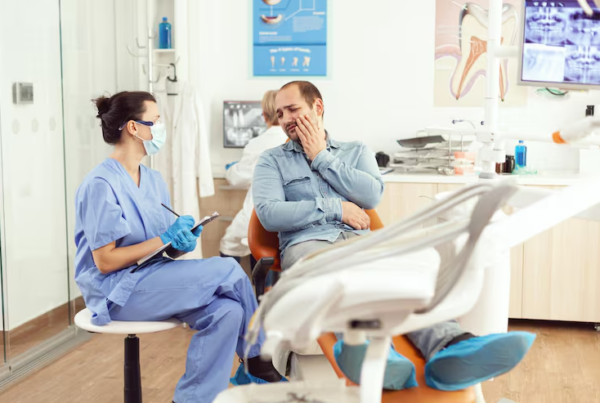
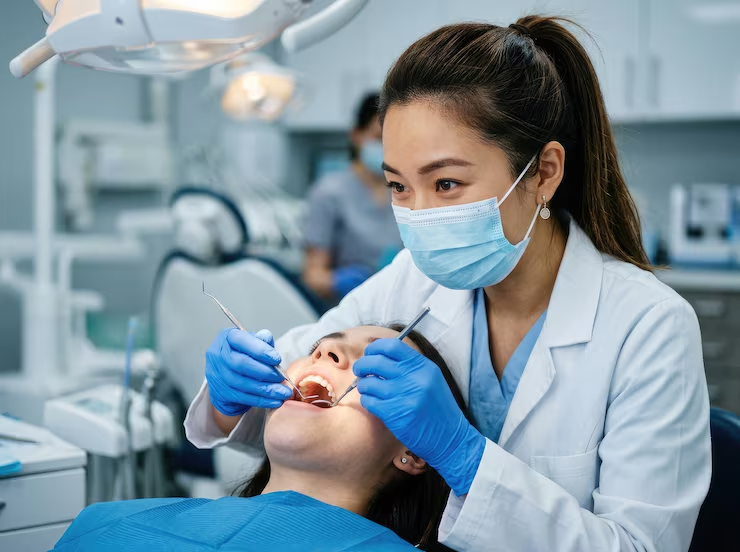
A first visit to any dentist Walnut Creek patients haven’t seen before typically starts with more than a cleaning. Expect a review of your medical and dental history, a full clinical exam of your teeth, gums, tongue, and jaw, and a conversation about any concerns you’ve been putting off mentioning. Many offices now pair this with digital X-rays or an intraoral scan so the dentist can see what’s happening below the surface, early decay between teeth, bone levels around the gums, or wear patterns that suggest a grinding habit.
It’s worth knowing that dental imaging guidance changed meaningfully in early 2026. The ADA published its first updated recommendations on dental X-ray use in more than a decade, jointly in the Journal of the American Dental Association and Oral Surgery, Oral Medicine, Oral Pathology and Oral Radiology. The guidance reinforces that X-rays should be ordered only when clinically necessary, to limit patients’ and staff’s radiation exposure, and it’s the first ADA guidance to address both traditional 2-D imaging and 3-D cone beam CT scans together (ADA press release). In practice, that means a good first visit shouldn’t involve blanket imaging, it should involve imaging tailored to your risk factors and history.
By the end of a first visit, you should leave with a clear treatment plan, an honest sense of your oral health status, and, ideally, a comfortable rapport with the team you’ll be trusting with your smile going forward. If you came in with a specific goal in mind, straighter teeth, whiter teeth, or repairing a chipped tooth, this is also a natural moment to ask about a cosmetic consultation. A good cosmetic dentist Walnut Creek patients trust will walk you through realistic options and timelines rather than pushing a single product, and will be upfront about which concerns are purely cosmetic versus which ones might also affect your bite or long-term tooth health.
How Has Dental Care in Walnut Creek Changed in 2026?
Dentistry has shifted more in the last few years than in the prior decade, largely due to digital adoption. Practices across the Bay Area and nationally have moved toward fully digital workflows that combine intraoral scanning, computer-aided design and manufacturing (CAD/CAM), and 3D printing to fabricate crowns, bridges, and other restorations, often in a single visit rather than over multiple weeks-long appointments (Digital Dentistry 2026 overview).
Local patients are also seeing more transparency around cost and treatment planning, more flexible scheduling, and a stronger emphasis on preventive, risk-based care rather than a one-size-fits-all approach. For a dentist Walnut Creek residents rely on, this generally translates into shorter appointments for restorative work, fewer temporary crowns, and more predictable outcomes, changes driven directly by the technology adopted over the past few years.
What Modern Technology Should a Dental Office Offer in 2026?
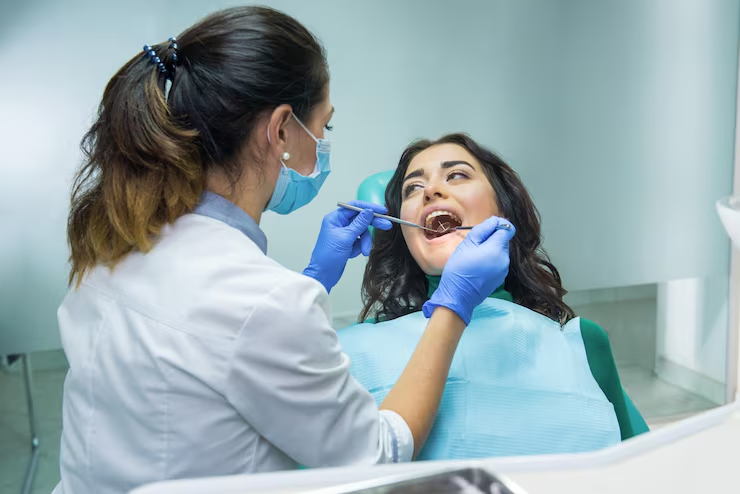
At a minimum, a modern practice should offer digital X-rays (which use significantly less radiation than older film systems), an intraoral scanner for digital impressions, and electronic health records. Beyond that baseline, many offices now use artificial intelligence to support diagnosis. AI-assisted image analysis can flag early signs of cavities, bone loss, and other risk indicators that are easy to miss on a quick visual read, and it’s increasingly used to support treatment planning and even day-to-day scheduling and communication across digital dental workflows (Digital Dentistry 2026).
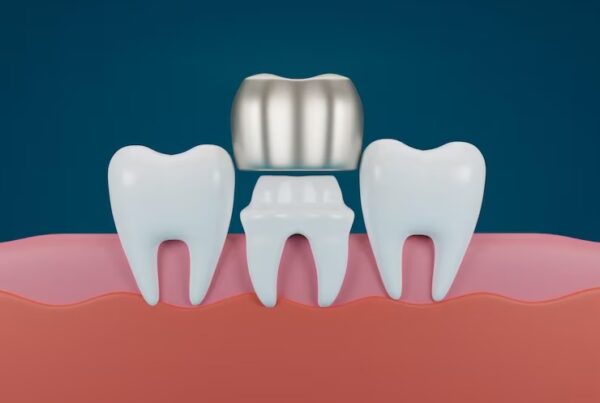
On the restorative and surgical side, CAD/CAM milling and 3D printing now allow same-day crowns and other restorations, and the broader CAD/CAM dental market is projected to nearly double by the early 2030s as more practices adopt these systems (AI in dental scanning and design, 2026). For a restorative dentist Walnut Creek patients are considering, ask whether crowns, veneers, and other restorations can be designed and milled in-house, it’s one of the clearest signals that a practice has invested in current technology.
Demand for this kind of work is only growing. Industry analysts estimate the U.S. restorative dentistry market generated about $8.45 billion in revenue in 2024 and project it will reach roughly $13.34 billion by 2030, a pace of growth that reflects both an aging population and steady advances in materials and technique (dental marketing statistics 2026). For patients, that growth has translated into more material options, stronger and more natural-looking crowns, and a restorative dentist Walnut Creek patients see today is far more likely to complete a crown or bridge in one visit than one from even five years ago. For patients missing one or more teeth entirely, the same digital workflow also supports planning for dental implants Walnut Creek oral surgeons place, since a 3D scan of the jaw allows for far more precise placement than older, X-ray-only planning methods.
Why Digital Dental Records Matter for Your Long-Term Oral Care
Digital records do more than replace a paper chart. Because they store your full imaging history, treatment notes, and periodontal measurements in one searchable place, they let your dentist track subtle changes over years, a slowly receding gumline, a tooth that’s been sensitive on and off since 2023, a filling that’s starting to show wear. That kind of longitudinal view is difficult to reconstruct from memory alone.
Digital records also make it far easier to coordinate care if you see a specialist, an oral surgeon for dental implants Walnut Creek patients need, or a periodontist in Walnut Creek referrals go to for gum disease treatment, since scans and images can be shared instantly instead of mailed or hand-carried. And because AI-assisted analysis tools work directly from digital images and scans, a fully digital record is also what makes those diagnostic tools possible in the first place.
What Makes a Dental Office Comfortable for First-Time Patients?
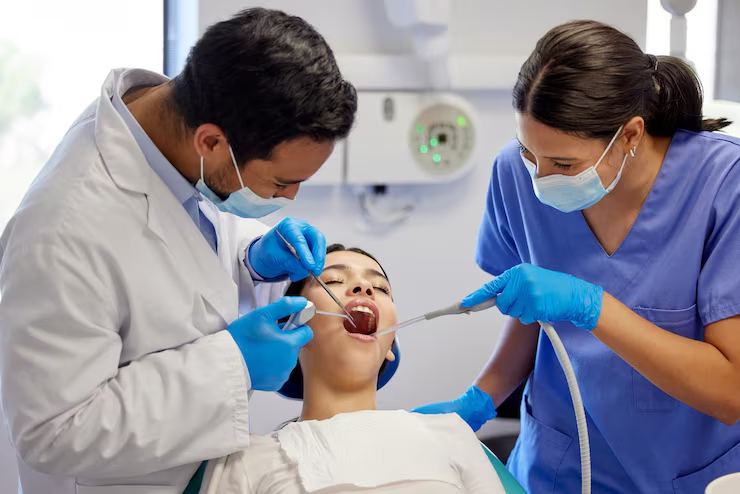
Comfort starts before you sit in the chair. A welcoming front desk, a clear explanation of what to expect, and a team that answers questions without rushing all matters more than people often expect. Clinically, modern intraoral scanners have replaced much of the thick, messy impression material that made older dental visits unpleasant, scanning is faster and notably more comfortable, particularly for patients with a strong gag reflex or dental anxiety (Dental technology in 2026).
For patients with genuine dental anxiety, ask in advance about options like nitrous oxide, noise-canceling headphones, or simply scheduling extra time so nothing feels rushed. A practice that takes the time to explain each step, and that offers sedation or comfort options without making a patient ask twice, tends to be the kind of office people actually keep going back to.
Patient Experience & Convenience
What Should You Know About Same-Day Dental Appointments in Walnut Creek?
Not every dental problem can wait for a scheduled cleaning, and knowing the difference matters. Dental professionals generally agree that severe or throbbing pain that doesn’t respond to over-the-counter medication, visible facial or gum swelling, fever alongside tooth pain, a knocked-out tooth, or uncontrolled bleeding all call for same-day attention rather than a routine booking (dental emergency triage guidance). Swelling combined with fever is a particularly serious combination, since it can signal an infection that’s beginning to spread beyond the tooth itself.
On the other hand, mild sensitivity that fades quickly, a small chip with no pain, or soreness around a recently placed filling can usually wait a day or two for a normal appointment. If you’re unsure, it’s always reasonable to call and describe your symptoms, a good emergency dentist Walnut Creek patients can reach on short notice should be able to help you triage over the phone before you ever come in.
A knocked-out tooth deserves special mention, since timing genuinely determines the outcome. If a permanent tooth is knocked out, keep it moist, in milk or the person’s own saliva, and try to see an emergency dentist Walnut Creek area residents can reach within thirty to sixty minutes, since that window offers the best chance of saving the tooth. Waiting even a few hours can turn a fixable injury into a permanent loss, so this is one situation where it genuinely pays to know your practice’s emergency protocol before you need it, not after.
How Can Online Dental Booking Make Your Dental Care Easier?
Online scheduling has become one of the more practical upgrades in patient convenience over the last several years. Instead of calling during business hours and waiting on hold, patients can see real appointment availability, book cleanings or consultations directly, and receive automated reminders that cut down on missed visits. For busy households juggling work and school schedules, this alone can be the difference between a family staying on top of preventive care and letting it slip for another year.
Digital scheduling also pairs naturally with teledentistry, which allows secure video consultations for follow-ups, orthodontic check-ins, or general questions, a genuine convenience for people with mobility limitations, tight schedules, or mild dental anxiety who’d rather have an initial conversation before an in-person visit (2026 dental technology overview).
What Should You Expect From a Modern Dental Office Visit?
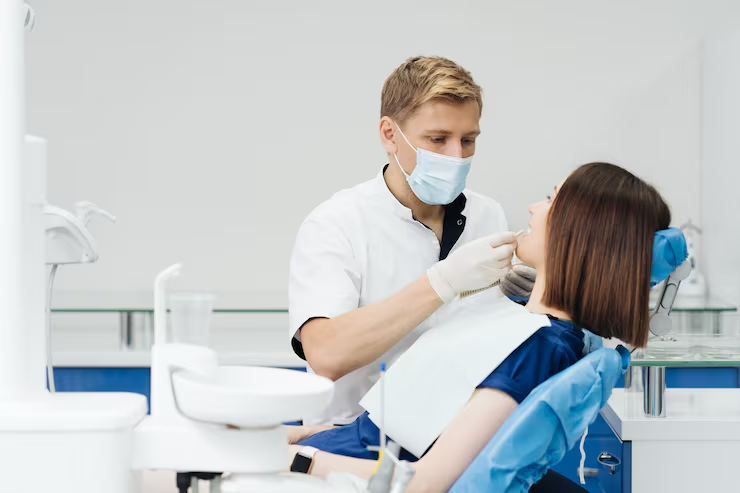
A modern visit tends to move faster and involve less guesswork than visits from a decade ago. Digital X-rays develop in seconds rather than minutes, intraoral scanners replace goopy impression trays, and AI-assisted image review can highlight areas worth a closer look before the dentist even walks in. For restorative work, CAD/CAM systems allow some crowns and other restorations to be designed and milled the same day, cutting out the temporary-crown phase entirely for many cases (AI and digital dentistry, 2026).
None of this replaces clinical judgment, technology supports the dentist’s diagnosis and planning, but doesn’t substitute for it. What it does change is the experience: fewer appointments, less waiting, and more visual, easy-to-understand explanations of what’s actually happening in your mouth.
How Often Should Walnut Creek Patients Schedule Dental Visits?
The ADA’s standard guidance is a checkup and cleaning roughly every six months for most people, though the association has been clear for years that the right interval should be set by a dentist based on each patient’s individual oral health needs rather than applied as a fixed rule (ADA guidelines overview). Patients with a history of gum disease, frequent cavities, dry mouth, or conditions like diabetes are often better served by visits every three to four months, while some lower-risk patients may be able to stretch to once a year with their dentist’s guidance.
This individualized approach matters because periodontal disease is far more common than most people realize. CDC data show that nearly 42% of adults aged 30 and older have some form of periodontitis, with severe periodontitis affecting about 8% of adults (CDC gum disease facts), and the CDC also notes that a checkup at least once a year allows for earlier detection and treatment of gum disease. If you’re not sure what interval is right for you, that’s a conversation worth having directly with your dentist rather than guessing.
What Should You Bring to Your First Dental Appointment?
Come prepared with a photo ID, your insurance card if you have dental coverage, and a list of current medications, since some medications affect gum health, saliva production, or bleeding risk. If you’ve had recent X-rays or records from a previous dentist, ask that office to send them ahead of time, it saves you from repeat imaging and gives your new dentist a fuller picture of your history from day one.
It’s also worth writing down any symptoms or concerns beforehand, even ones that feel minor: a tooth that’s been sensitive to cold, jaw clicking, or bleeding when you floss. It’s easy to forget these details once you’re in the chair, and they often turn out to be clinically relevant.
Family & Lifestyle
How to Build a Long-Term Dental Care Routine for Your Family?
A durable family routine rests on a few basics done consistently: brushing twice daily with fluoride toothpaste, daily flossing, and regular professional checkups. The ADA notes that children can typically start brushing on their own by around age seven but may need supervision until age ten or eleven, and most kids need help flossing until around age ten, after which they can generally manage it under adult supervision (JADA back-to-school guidance).
Beyond the basics, the biggest long-term factor is simply consistency, the same six-month rhythm, the same non-negotiable brushing routine, year after year. Families that treat dental visits as a fixed calendar item, the same way they treat annual physicals, tend to catch problems earlier and spend less over time on major restorative work.
Gum health deserves a place in that routine too, and not just for grandparents. CDC surveillance data show that periodontal disease is common well before retirement age, roughly 4 in 10 adults 30 and older have some level of periodontitis, and that share climbs to about 6 in 10 among adults 65 and older (CDC — About Periodontal (Gum) Disease). Building flossing and gum checks into a family’s routine early, and knowing when a periodontist in Walnut Creek dentists refer patients to might be worth a visit, is one of the more overlooked pieces of long-term prevention, gum disease tends to progress quietly, without the sharp pain that sends people to an emergency dentist, which is exactly why it’s easy to miss without regular checkups.
Dental Care for Busy Families: What Walnut Creek Patients Should Know
Between school, work, and everyone’s individual schedules, dental care is often the first thing that slips. This is where some of the conveniences already mentioned, online booking, appointment reminders, and same-day scheduling for urgent issues,genuinely earn their keep. Booking multiple family members back-to-back in a single visit, when a practice allows it, can also cut down significantly on the number of separate trips a household needs to make each year.
It also helps to think about dental care preventively rather than reactively. A family that keeps up with regular cleanings is far less likely to need an unplanned trip to an emergency dentist Walnut Creek families might otherwise scramble to find on a weekend, regular visits catch small issues, like an early cavity or a cracked filling, before they turn into something urgent.
How Seasonal Changes Can Affect Your Dental Health in 2026?
Oral health isn’t static throughout the year. Cold, dry winter air can worsen dry mouth, which reduces saliva’s natural ability to neutralize acid and wash away food debris, raising cavity risk for some people. Holiday seasons bring a spike in sugary foods and drinks, which feed the bacteria responsible for tooth decay. Come spring and summer, allergy season can bring mouth-breathing and dry mouth of its own, while summer sports and outdoor activity raise the odds of a chipped or knocked-out tooth.
Being aware of these seasonal patterns helps families plan ahead, scheduling a cleaning before the holidays, stocking sugar-free gum during allergy season to stimulate saliva flow, or making sure mouthguards are on hand before summer sports ramp up.
Summer Dental Care Tips for Walnut Creek Families
Summer means more time outdoors, more snacking, and often looser daily routines, all of which can affect oral health if families aren’t paying attention. A few practical habits go a long way: keeping water on hand instead of sugary drinks during long days outside, sticking to the twice-daily brushing routine even when the schedule is less structured, and making sure any child playing contact sports has a properly fitted mouthguard.
Mouthguards matter more than many parents assume. The ADA estimates that mouthguards prevent roughly 200,000 dental injuries every year, and athletes who skip them are about 60 times more likely to sustain tooth damage than those who wear one (youth sports mouthguard data). If summer travel is on the calendar, it’s also worth scheduling a quick checkup beforehand so any brewing issue doesn’t turn into a vacation emergency.
Back-to-School Dental Essentials for Walnut Creek Kids
A back-to-school dental visit deserves the same priority as a physical or a vision screening. Tooth decay remains extremely common in young children, more than half of children between ages five and nine have at least one cavity or filling (JADA back-to-school checkup guidance), which makes a pre-school-year exam a genuinely useful checkpoint rather than a formality.
A good back-to-school visit typically covers a cleaning, a cavity and gum check, an evaluation of how permanent teeth are coming in, a conversation about sealants for new molars, and a mouthguard fitting or fit-check for any child starting a fall sport. It’s also a natural moment to reset habits that may have slipped over summer, snacking patterns, brushing consistency, and flossing technique, before the school-year routine locks back in.
Modern Dental Trends
Dental Care Trends Walnut Creek Patients Are Watching in 2026
The biggest trend shaping dentistry this year is the shift from generalized, calendar-based care toward personalized, risk-based care supported by data. Patients are also seeing more transparency: digital treatment plans with visual explanations, upfront cost estimates, and same-day restorative options that reduce the number of visits needed for crowns, veneers, and other work.
Cosmetic dentistry has grown alongside this shift, as digital smile-design tools let a cosmetic dentist Walnut Creek patients work with a realistic preview of veneers, whitening, or bonding results before any treatment begins, turning what used to be a leap of faith into a much more informed decision. This kind of visualization software has become common enough that patients now reasonably expect to see a mockup of a smile makeover before committing to treatment, rather than relying on before-and-after photos of other patients.
That expectation is part of a broader boom in aesthetic dentistry. Industry trackers note that cosmetic procedures, from professional whitening to porcelain veneers and gum contouring, have become one of the fastest-growing categories within general dentistry, driven in large part by digital previews and more conservative, tooth-preserving techniques than the more aggressive veneer preparations common a generation ago (dental marketing statistics 2026). A cosmetic dentist Walnut Creek residents consult with today is far more likely to offer a range of options, from a single evening of in-office whitening to a full smile redesign, than a single standard treatment.
How AI and Digital Technology Are Changing Modern Dentistry?
Artificial intelligence has moved from an experimental add-on to a practical part of everyday dentistry. In imaging, machine learning models trained on large datasets of X-rays and CBCT scans can help identify cavities, bone loss, and areas of concern with high consistency, though human review remains essential, these tools support the dentist’s judgment rather than replace it (AI and digital dentistry in 2026). In restorative workflows, AI-assisted CAD software can suggest crown margins and occlusal design, helping shorten the path from scan to finished restoration.
The underlying market reflects how quickly this is moving: the CAD/CAM segment of digital dentistry is projected to grow from roughly $2.6 billion in 2026 to more than $5.6 billion by 2034 (AI in dental scanning and design, 2026). For patients, the practical upshot is fewer appointments, more predictable fit for crowns and restorations, and diagnostic support that catches issues earlier.
What Are the Biggest Dental Care Trends for 2026?
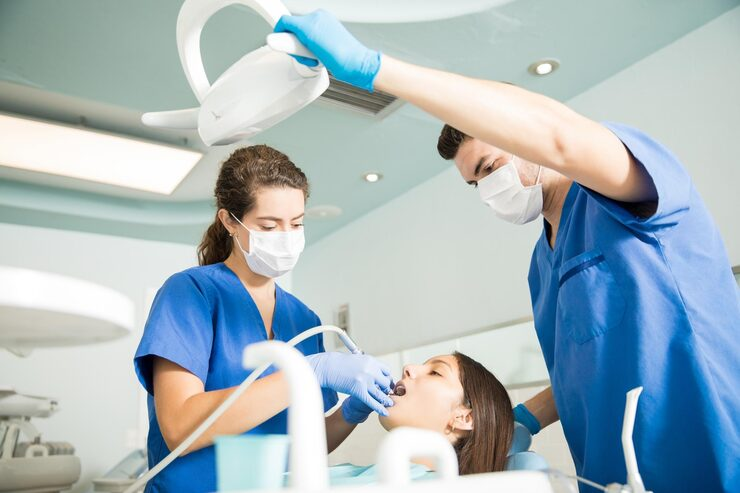
A few trends stand out this year. First, same-day restorations via CAD/CAM and 3D printing are becoming mainstream rather than a premium add-on. Second, teledentistry has settled into a permanent role for follow-ups and consultations rather than being treated as a pandemic-era workaround. Third, implant dentistry continues to grow steadily as an option for tooth replacement: the American College of Prosthodontists estimates that about 120 million Americans are missing at least one tooth, and more than 36 million have lost all of their teeth, while large-scale outcome studies have found implant survival rates in the high-90s percent range within five to ten years (2026 dental implant statistics).
For patients weighing options after tooth loss, that combination of strong long-term outcomes and wider availability is a big part of why dental implants Walnut Creek patients ask about have become a mainstream recommendation rather than a niche one.
Why Preventive Dentistry Is Becoming More Personalized in 2026?
Preventive care used to mean the same cleaning and the same X-ray schedule for nearly everyone. That’s changing. The ADA’s own 2026 imaging guidance is explicitly built around individual risk factors, appointment type, age, and disease history rather than a blanket schedule, with recommendations organized by patient age, dental development stage, and risk factors for decay or gum disease (ADA imaging recommendations).
This same logic now extends to gum disease management. Because periodontal risk varies so much by individual factors, the CDC notes that periodontal disease affects roughly 56% of men and 38% of women over 30, and is notably more common among smokers and people with diabetes (oral health statistics overview), a good periodontist in Walnut Creek patients are referred to will typically tailor cleaning frequency and treatment intensity to each patient’s actual risk profile rather than a generic schedule.
In practice, that personalization often shows up as a stepped approach to gum disease. Early gingivitis is usually reversible with more frequent professional cleanings and better home care, while more advanced periodontitis may call for deeper cleanings like scaling and root planing, and in more severe cases, referral to a periodontist in Walnut Creek general dentists work alongside for surgical treatment or long-term maintenance. Catching gum disease at the gingivitis stage, before it progresses to irreversible bone loss, is one of the clearest examples of how personalized, risk-based scheduling pays off over a lifetime of dental care.
How Modern Dentistry Is Making Dental Visits More Patient-Friendly?
Taken together, these shifts add up to a genuinely different patient experience than a decade ago: faster imaging with lower radiation exposure, digital scans instead of messy impressions, treatment plans you can actually see and understand, and same-day options for both emergencies and restorative work. Teledentistry adds a layer of access for people who’d otherwise put off a question or a minor follow-up.
None of this changes the fundamentals, brushing, flossing, and regular checkups still matter more than any single piece of technology. But it does mean that when you do need care, whether it’s a routine cleaning, cosmetic work, a restoration, or a referral to a specialist, the process is faster, more transparent, and more tailored to you than it’s ever been.
Cost, Insurance & Making the Decision
How Should You Think About Cost When Choosing a Dentist?
Cost is rarely the only factor in choosing a dental home, but it’s almost always part of the decision, and it’s worth approaching deliberately rather than avoiding until a bill arrives. A transparent practice should be able to give you a written estimate before major work begins, whether that’s a filling, a crown from a restorative dentist Walnut Creek patients trust, or a more involved procedure like implant placement, and should walk you through what your insurance is likely to cover versus what you’d pay out of pocket.
It’s also worth understanding, roughly, what different categories of treatment cost so a quote doesn’t come as a surprise. Preventive care, cleanings, exams, and routine X-rays, is the least expensive category and is also the one most insurance plans cover most generously, which is part of why staying on a regular six-month schedule tends to save money over time rather than cost it. Restorative work, from fillings to crowns, varies more depending on material and complexity. And larger procedures like dental implants carry a higher upfront cost, commonly in the range of a few thousand dollars per tooth, but are frequently the most cost-effective option over a ten- or twenty-year horizon given how durable a well-placed implant tends to be compared with alternatives that may need to be replaced or adjusted more often.
If cost is a genuine concern, ask directly about financing options, membership or savings plans for uninsured patients, and whether treatment can reasonably be staged over multiple visits or months rather than completed all at once. A good practice should be willing to have that conversation candidly rather than treating it as an uncomfortable topic.
What Questions Should You Ask Before Committing to a Practice?
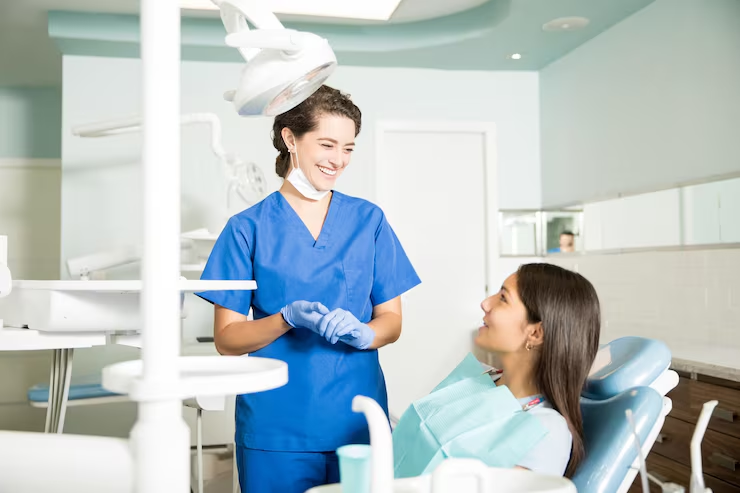
Before settling on a long-term dental home, it’s worth asking a handful of direct questions: What imaging and same-day technology does the office actually have on-site, versus outsourced to a lab? How does the practice typically handle a same-day emergency, and is an emergency dentist Walnut Creek patients can reach evenings or weekends actually available, or does that require a separate urgent-care referral? If cosmetic work is on your radar, does the office use digital smile-design software so you can preview results, and can they show you real examples of a cosmetic dentist Walnut Creek patients have worked with completing similar cases? If you may eventually need dental implants Walnut Creek oral surgeons place, is that handled in-house or through a referral network, and how is care coordinated between providers?
None of these questions have a single right answer, different practices are structured differently, and a smaller boutique office might excel at some things while a larger multi-specialty practice excels at others. What matters is that a practice answers these questions clearly and specifically, rather than vaguely, since how a dentist communicates about logistics tends to mirror how they’ll communicate about your actual treatment.
Finding the Right Fit
Choosing a dental home is ultimately about trust: trust that your dentist will recommend only what you actually need, explain it clearly, and be there, including on short notice, if something goes wrong. Whether you’re looking for a dentist Walnut Creek families can grow with over the years, a cosmetic dentist Walnut Creek patients turn to for a smile makeover, or specialized care from a restorative dentist Walnut Creek or periodontist Walnut Creek, the right practice should combine current technology with a genuinely personalized approach to your care.
Take your time with the decision. Read reviews, ask friends and neighbors who they see, and don’t hesitate to schedule a consultation before committing to a full treatment plan. A first conversation, about your history, your goals, and your concerns, will usually tell you more about whether a practice is the right fit than any single piece of technology on its own. The dentistry available in 2026 is more precise, more comfortable, and more transparent than at almost any point before it; the right practice will make the most of all three, whether you’re coming in for a routine cleaning, a cosmetic consultation, or care for a dental emergency that simply can’t wait.
FAQs
1. How often should I go to the dentist?
Most people need a checkup and cleaning every six months. If you have gum disease, diabetes, dry mouth, or a history of frequent cavities, your dentist may recommend every 3–4 months instead.
2. What counts as a dental emergency?
Severe pain that doesn’t respond to OTC medication, facial or gum swelling, fever with tooth pain, a knocked-out tooth, or uncontrolled bleeding. A knocked-out tooth needs care within 30–60 minutes for the best chance of saving it. Mild sensitivity or a small painless chip can usually wait a day or two.
3. Do I need X-rays at every visit?
No. Updated 2026 ADA guidance says X-rays should only be taken when clinically necessary, based on your individual risk factors and history, not on a fixed schedule.
4. How successful are dental implants?
Very large studies show survival rates of 95–98% within 5–10 years. They’re also increasingly common: over 120 million Americans are missing at least one tooth, and 1M+ get implant treatment annually.
5. What should I bring to my first appointment?
A photo ID, insurance card, a list of current medications, and any prior X-rays or records from a previous dentist (ask that office to send them ahead of time).
This resource page is provided for general educational purposes and does not replace personalized advice from a licensed dentist. Always consult your dental provider about your specific oral health needs.