
Waking up tired after what should have been a full night’s sleep can affect every part of life, your energy, focus, mood, and even long-term health.People only start to look for medical assistance when they experience uncontrollable symptoms which include loud snoring and daytime fatigue and interrupted sleep.
Many patients are surprised to learn that starting sleep apnea treatment often comes with an adjustment period. People who want to get sleep apnea treatment Walnut Creek for the first time or those who have just begun their therapy will experience an adjustment period.
Most of these challenges which people face can be handled because they are temporary and common but require proper guidance and support to resolve.
1. Difficulty Adjusting to CPAP Therapy
One of the most common challenges patients face when starting sleep apnea treatment is adjusting to a new treatment device or oral appliance. Whether therapy involves airway support equipment or a custom oral appliance, the adjustment period is completely normal.
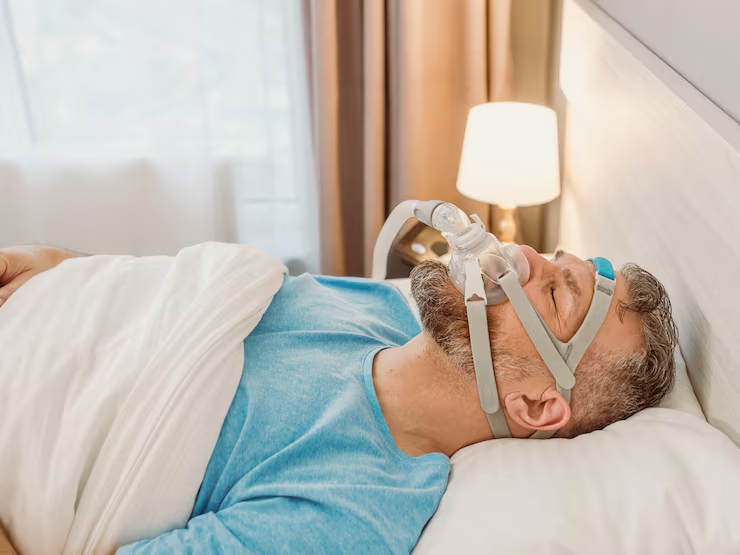
CPAP therapy delivers continuous air pressure which maintains your airway open during sleep. The American Academy of Sleep Medicine considers this method as the primary solution for treating obstructive sleep apnea.
People find it challenging to wear masks because they have to sleep with pressurized air which feels strange to them.
Common adjustment challenges include:
- Experience constant airflow sensation
- find it hard to relax while using the equipment
- Wake up more frequently during their first three nights
- Experience frustration about their learning process
The key component for success requires patients to maintain their treatment schedule.
The majority of patients reach their adjustment point through time which happens particularly when they receive professional assistance and proper equipment modifications.
2. Mask Discomfort and Poor Fit Issues
Sleep apnea devices should feel secure, comfortable, and properly fitted to support effective treatment throughout the night.
Patients experience difficulties with their treatment because they use masks which do not match their facial structure.
The treatment process becomes more difficult when patients experience discomfort due to poor fitting equipment which disturbs their sleep and causes them to stop their treatment.
Common fit issues include:
- Tight headgear causing pressure
- Masks shifting during sleep
- Red marks around the nose or cheeks
- The user experiences discomfort because the mask appears excessively large
Different mask styles, nasal masks, nasal pillows, or full-face masks can make a major difference.
3. Dry Mouth, Nasal Congestion, or Irritation
Many patients beginning sleep apnea treatment experience dryness or airway irritation during the adjustment phase.
This can happen when pressurized air reduces moisture in the nose or mouth, especially if you sleep with your mouth open.
Common symptoms include:
- Dry mouth upon waking
- Nasal congestion
- Sore throat
- Minor nose irritation
The National Heart, Lung, and Blood Institute notes that humidification and proper mask selection can significantly improve comfort for sleep apnea patients.
Heated humidifiers, tubing adjustments, and hydration often help resolve these symptoms.
4. Feeling Claustrophobic While Using the Device
The first few nights of using a sleep apnea device can lead some patients to experience anxiety and claustrophobic symptoms.
The reaction occurs more frequently than people realize.
Patients may feel
- Restricted breathing (even when airflow is normal)
- Anxiety while putting the mask on
- Urges to remove the mask during sleep
Many providers recommend that patients start their mask-wearing routine by using it during daytime activities before they begin sleeping with it.
The sleep apnea treatment center in Walnut Creek provides specialized care which helps patients achieve smoother transitions.
5. Air Leaks Reducing Treatment Effectiveness
Air leaks or poor device fit can create comfort issues and reduce treatment effectiveness. because the treatment becomes both uncomfortable and ineffective.
The patients will experience the following symptoms when air leaks from their masks:
- Whistling sounds
- Dry eyes
- Reduced therapy pressure
- Interrupted sleep
The leaks create two problems because they decrease patient comfort while making treatment less effective.
The combination of a properly fitted mask and regular equipment checks provides a significant improvement for users.
6. Trouble Falling or Staying Asleep with Equipment
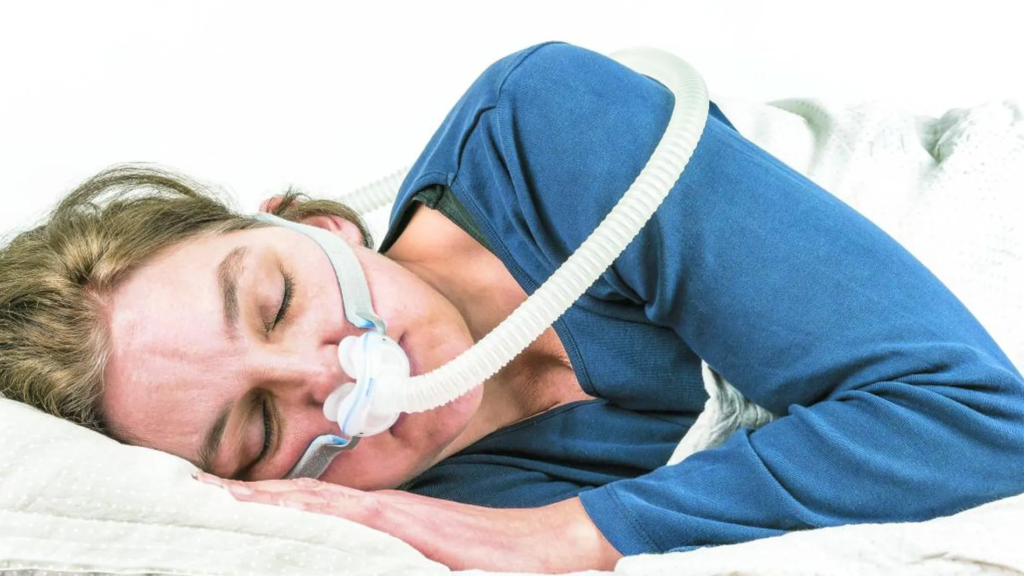
Some patients actually sleep worse before they sleep better.
The adjustment phase requires users to wear a mask which includes hearing airflow sounds until they fall asleep.
This doesn’t mean treatment isn’t working, it usually means your body is adapting.
Helpful strategies include:
- Wearing the device before bedtime to build familiarity
- The need to establish a sleep schedule at the same time every night
- The need to stop drinking caffeine after afternoon hours
- The need to create a comfortable sleeping environment in the bedroom
Most patients develop deeper sleep patterns as their therapy sessions become regular parts of their daily schedule.
7. Skin Irritation or Pressure Sores from the Mask
Skin irritation can happen when a mask fits too tightly or isn’t cleaned regularly.
Patients may experience:
- Redness
- Skin tenderness
- Pressure marks
- Minor irritation around the nose or cheeks
The issue can be resolved through basic solutions which include:
- Changing mask size
- Using mask liners
- Cleaning equipment consistently
- Adjusting strap tension
The success of long-term treatment depends on patient comfort.
8. Noise Concerns from the CPAP Machine
The latest CPAP devices produce less sound than their previous versions yet some users experience audible noise during their initial two nights.
The following factors create noise problems for people:
- Airflow sounds
- Mask leaks
- Machine placement
- Tubing movement
Most current devices operate quietly, but setup and maintenance still matter.
A provider experienced in Walnut Creek sleep apnea treatment can help identify whether the issue involves device fit, treatment design, or comfort adjustments.
9. Inconsistent Use and Lack of Routine
One of the biggest reasons sleep apnea treatment fails isn’t equipment, it’s inconsistency.
Some patients skip treatment when traveling, feeling tired, or frustrated with early discomfort.
Unfortunately, irregular use can reduce treatment benefits.
Building a nightly routine helps:
- Put your mask on at the same time each night
- Clean equipment regularly
- Track comfort changes
- Communicate with your provider about issues early
Consistency is what turns treatment into results.
Final Thoughts
Starting sleep apnea therapy can feel overwhelming at first, but most challenges are part of the adjustment process not signs of failure.
At Milcovich Dental Arts, patients receive personalized support, modern treatment solutions, and guidance designed to make therapy more comfortable and sustainable. If you’re exploring sleep apnea treatment in Walnut Creek, working with an experienced provider can make all the difference in helping you sleep better, breathe easier, and improve your long-term health.