
Almost nothing derails a week like a sudden toothache, a cracked filling, or a swollen gum. It feels like these problems come out of nowhere, but they rarely do. Most dental emergencies begin as small, quiet issues that nobody notices until they hurt and cost a lot to fix. Regular checkups catch many of them early, and sometimes stop them from happening at all. If you’re looking for a trusted dentist in Walnut Creek, CA, understanding how routine visits protect your teeth is a good place to start.
Why Dental Problems Go Unnoticed?
Tooth decay and gum disease usually don’t hurt at first. A small cavity between two teeth can sit there for months without a twinge. Early gum disease might show up only as a little blood when you brush, and plenty of people shrug that off as normal. By the time real pain arrives, the problem has often advanced, and the fix is bigger.
A professional exam finds what you can’t see or feel yourself. Your dentist has the training, the lighting, and tools like digital X-rays to spot trouble under the surface: decay hiding beneath an old filling, bone loss around a tooth, or an infection at the root.
What Happens at a Regular Visit?
A preventive visit is more than a quick polish. Several steps work together:
- A thorough exam. Your dentist checks every tooth for decay, cracks, and wear, and looks at your bite and jaw function.
- A gum health check. Measuring the spaces around your teeth reveals early signs of gum disease.
- Professional cleaning. Even if you brush and floss well, plaque hardens into tartar, and only a dental professional can remove it safely.
- Oral cancer screening. A quick visual and physical check of your mouth, tongue, and throat can spot suspicious changes when they’re easiest to treat.
- Digital X-rays, when needed. Imaging shows hidden problems before they turn serious.
Put together, these steps shift dental care from reacting to trouble to staying ahead of it.
The Real Cost of Waiting
Skipping a checkup can feel like saving time or money. Usually it does the opposite. A small cavity needs a simple filling. Leave it alone, and that same cavity can become an infection that calls for a root canal, a crown, or even an extraction.
Gum disease works the same way. Caught early, it can often be reversed with a professional cleaning and better habits at home. Left untreated, it can progress to periodontitis, which damages the bone that holds your teeth in place and has been linked to heart disease and complications from diabetes. Preventive visits are almost always the cheaper, gentler route.
Why Early Visits Matter for Kids?

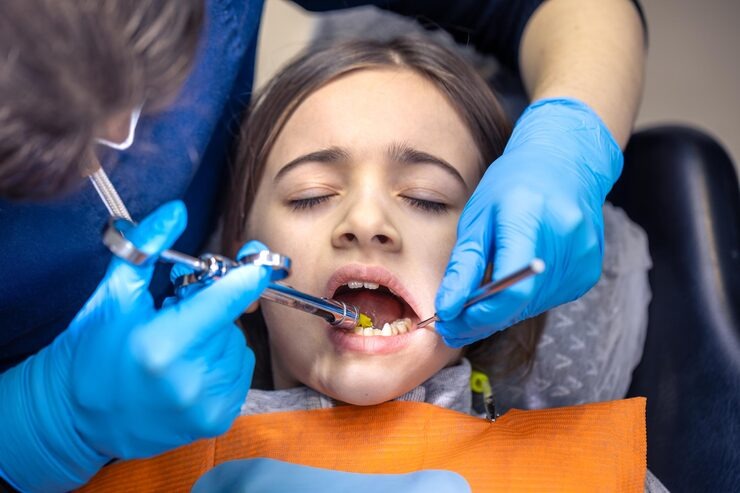
Good dental habits start in childhood, and so do many dental problems. Baby teeth do real work. They hold space for permanent teeth and help children chew and speak properly, so keeping them healthy matters.
A pediatric dentist is trained specifically for growing mouths. Regular visits give them the chance to:
- Track how teeth and jaws are developing
- Apply sealants and fluoride to guard against cavities
- Spot early signs of crowding or bite problems
- Teach kids how to brush and floss properly
- Help children feel relaxed and positive about the dentist
Kids who start early and go often are much more likely to grow up without dental anxiety, and a friendly, child-focused office helps a great deal. Most experts suggest a first visit by a child’s first birthday, or as soon as the first tooth comes in.
When Restorative Care Is Needed?
Even with great habits, things happen. Teeth chips, fillings wear down, and older restorations eventually need replacing. A restorative dentist repairs damaged teeth, brings back their function, and improves how they look.
Common treatments include:
- Fillings to repair cavities
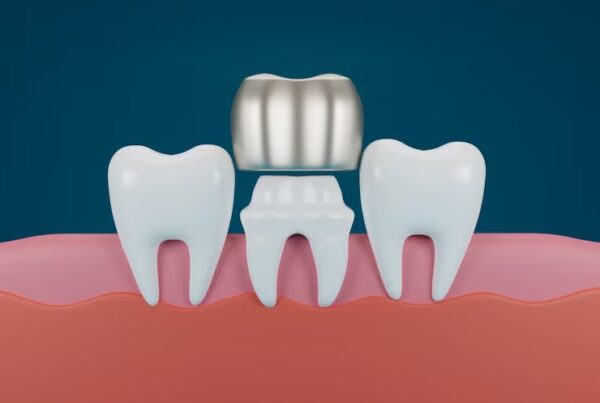
- Crowns to protect weak or cracked teeth
- Bridges to replace missing teeth
- Dental implants for a long-lasting replacement
- Dentures for people missing several teeth
Regular visits make a difference here too. When damage is found early, treatment tends to be simpler, more conservative, and less expensive. A small chip can be bonded in one appointment, while ignoring it may lead to a fracture that needs a crown or more. Routine exams also let your dentist keep an eye on existing work and replace it before it fails.
How Often Should You Go?
Most people do well with a checkup and cleaning every six months, but the right schedule depends on you. You may need to come in more often if you:
- Have a history of gum disease or frequent cavities
- Are pregnant
- Smoke or use tobacco
- Have diabetes or another condition that affects oral health
- Wear braces or other dental appliances
Your dentist can suggest a schedule based on your risk factors and goals.
Supporting Your Visits at Home
Professional care works best when your daily routine backs it up. Between appointments:
- Brush twice a day for two minutes with fluoride toothpaste.
- Floss daily to clean the spots your brush can’t reach.
- Go easy on sugary snacks and drinks, especially between meals.
- Drink plenty of water, ideally fluoridated.
- Replace your toothbrush every three to four months.
- Don’t ignore sensitivity, bleeding gums, or bad breath that won’t go away. Call your dentist promptly.
The Bottom Line
So, can regular dental visits help prevent unexpected problems? Yes, absolutely. Routine checkups let your dentist find and treat issues while they’re still small, which protects your comfort, your health, and your wallet. From a toddler’s first appointment with a pediatric dentist to an adult’s restorative care, steady attention keeps small issues from becoming emergencies.
Whether you need a reliable dentist in Walnut Creek, CA, a gentle pediatric dentist for your child, or an experienced restorative dentist for repairs and rebuilding, the best time to book is before something hurts. Don’t wait for a toothache to remind you. Schedule your next visit today and keep your smile healthy for years to come.