
Implants have a reputation for being permanent, and plenty of them do last for many years. Many go on to work well, and knowing what to watch for helps keep it that way. Still, a tooth you have not thought about in a decade can occasionally start to complain.
What an Implant Is Built to Do
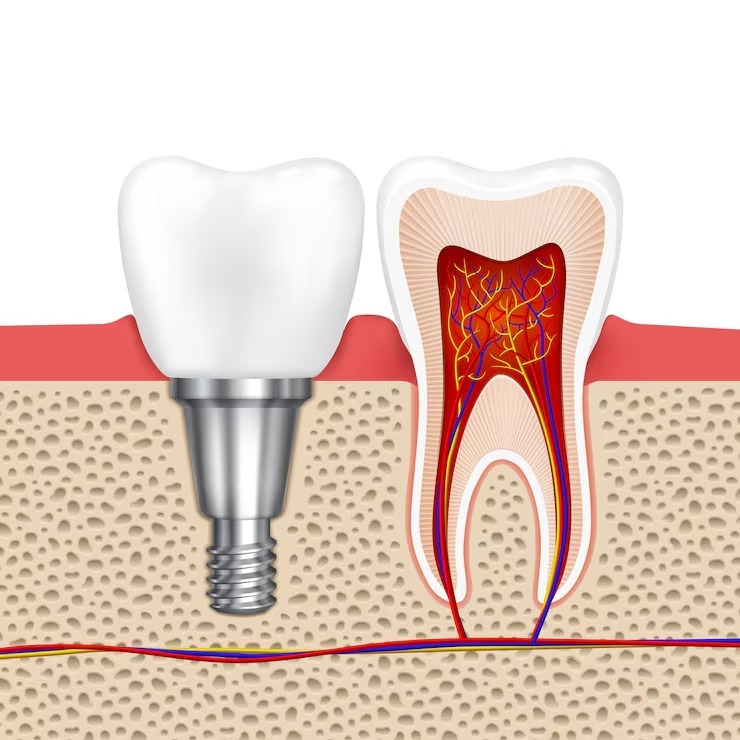
An implant is a small titanium post placed in the jawbone, where it fuses with the bone. A crown, bridge, or denture then attaches on top, and the result is often part of a wider smile makeover that Walnut Creek patients have planned. It’s designed to stay put for the long haul, but it still depends on healthy gums and bone around it.
Many people searching for dental implants in Walnut Creek assume the job is finished once the implant heals. In reality, the tissue around it needs looking after for as long as the implant is in your mouth.
A Good Implant Can Go Wrong Years Later
Nothing about the titanium itself usually wears out. Late trouble tends to start in the surrounding tissue, or in the way the implant is used. Common causes include:
- Gum disease around the implant, which lets bacteria build up
- Bone loss that develops slowly and often painlessly
- Infection, sometimes after plaque is left to collect
- Heavy biting pressure, such as night-time grinding
- Slipping oral hygiene, or changes in general health that affect healing and gums
Peri-implant Disease
Peri-implant disease means inflammation and infection around an implant. When only the gum is involved, it is called mucositis; once bone is affected, it is peri-implantitis.
Signs Worth Taking Seriously
Problems often show up before they become serious. Pay attention to:
- Swollen or bleeding gums around the implant
- Tenderness or discomfort when you chew
- Any looseness or movement
- Gums that look redder, puffier, or have pulled back
- A bad taste or pus near the site
Early disease can be painless, so a quiet implant is not always a healthy one. Persistent symptoms are worth a visit, not a wait-and-see.
Is It the Implant, the Gum or the Crown?
Not every problem involves the implant itself. A chipped or loose crown, a worn bridge, or a loose screw can feel alarming, yet these are restoration issues, treated differently from gum or bone problems. That is worth knowing if your implant was part of a smile makeover that Walnut Creek patients had done years ago. Only an examination can tell which one you have.
When a Dentist Checks an Older Implant
Your dentist will look at the gum for swelling, bleeding, and pockets, and gently test whether the implant moves. They’ll check your bite and the crown too. X-rays show the bone level, which is often the clearest sign of whether something is changing.
Whether you are looking after dental implants that dentists in Walnut Creek placed or ones done elsewhere, older X-rays help for comparison, so bring any you have.
Available Treatments
Treatment depends on the cause, so there is no single fix. Possibilities include:
- A professional cleaning around the implant to remove plaque and hardened deposits
- Treatment of peri-implant disease, which may be non-surgical or surgical
- A bite adjustment or night guard if grinding is putting strain on the implant
- Repair or replacement of a worn or damaged crown
- Implant-related procedures when needed, such as bone grafting or, in some cases, removing an implant
Not every complication can be reversed, so catching a problem early generally gives your dentist more options. Replacing a worn crown can also be a chance to refresh its colour and shape as part of a smile makeover that Walnut Creek residents might plan.
Everyday Habits That Protect Your Implant
Aftercare for dental implants in Walnut Creek that lasts for years comes down to ordinary habits done consistently:
- Brushing twice a day and cleaning between teeth daily
- Regular checkups and hygiene visits, even when nothing hurts
- Telling your dentist if you grind your teeth or your health changes
- Wearing a night guard if your dentist recommends one
Conclusion
At Milcovich Dental Arts, implant evaluation starts with listening to what you have noticed, then looking carefully at the gums, bone, and bite so care can be personalised and aimed at long-term oral health. That applies to a quick implant check as much as a wider smile makeover for Walnut Creek patients who are considering treatment.
If an implant feels different or looks different, have it checked rather than waiting. Book an evaluation with a practice that provides dental implants for Walnut Creek residents, even if yours was placed years ago.
FAQs
1. Can a dental implant fail years after it was placed?
Yes, though many implants keep working well for a long time. Late problems usually come from gum disease, bone loss, infection, or heavy biting forces, so each case needs its own evaluation.
2. How can I tell if the problem is the implant or just the crown?
It’s hard to tell by feeling alone. A loose or chipped crown is a restoration issue, while swelling, bleeding, or movement of the implant itself points to the gum, bone, or post. Your dentist can sort out which is the issue with an exam and X-rays.
3. Is bleeding around an old implant normal?
Not something to ignore. Bleeding or swollen gums can be an early sign of inflammation around the implant, and early treatment generally provides more options.
4. How often should an older implant be checked?
Usually at your regular checkups and hygiene visits, with X-rays when your dentist feels they’re needed. If you’ve had gum problems or grind your teeth, they may suggest checking more often.
5. Can peri-implant disease be treated?
Early inflammation often responds to professional cleaning and better home care, while advanced cases may need surgical treatment. Not every case can be reversed, which is why acting early matters.