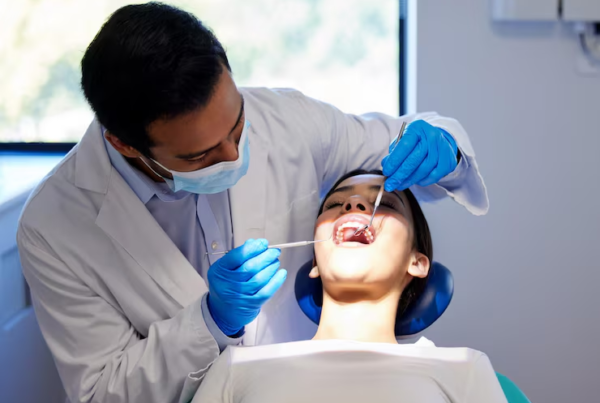

A damaged tooth doesn’t just impact the way you look, it also has an impact on you. It can alter your mannerisms when eating, your speech patterns, and the mannerisms you feel comfortable with when you laugh in front of others. Fortunately, contemporary restorative dentistry has several proven methods to restore the lost teeth. When looking for a restorative dentist in Walnut Creek, you should understand your choices to take the first step in a healthier, more confident smile.
The focus of restorative dentistry is to fix and replace damaged or missing teeth to look like real ones and function properly. Here are five of the best ways that a smile can be restored.
1. Dental Crown
It is a cap that fits over a tooth and helps to restore the shape, size, strength, and appearance of the tooth. Dentists often recommend one for:
- Cracked or severely worn teeth
- Teeth weakened by a large cavity or an old filling that’s failing
- Teeth that have had a root canal and need extra protection
- Discolored teeth
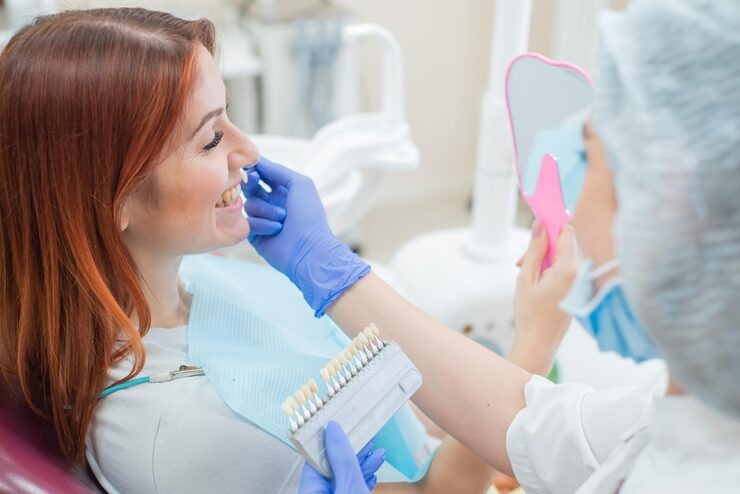
Porcelain, ceramic, or zirconia are the materials used for most crowns and approach the translucency of enamel. With proper care and maintenance, a well-fitted crown can last 12-15 years or more. A professional restorative dentist in Walnut Creek will shade and contour the crown to match the surrounding teeth so it looks like it is a part of your mouth.
2. Dental Implant
A tooth loss is followed by an absence of its root which in the long term may cause bone loss in the jaw. Dental implants solve both these issues. An implant is a small titanium post that is inserted into the jawbone to act as an artificial tooth root. After fusing with the bone a custom crown is added on top.
Implants, which are considered the gold standard for tooth replacement, offer a number of advantages, including:
- Look, feel and function like a natural tooth.
- Support maintaining the density and structure of the jawbones and face
- Don’t rely on the neighboring teeth for support
- Lasts for decades when cared for properly (good oral hygiene)
An implant can be used to support a single tooth, multiple teeth or serve as an anchor for a full arch of replacement teeth. Being a candidate for this procedure depends on the health of your teeth/bones, therefore a complete consultation and imaging is vital.
3. Bridges and Dentures
Implants are not for everyone, and restorative dentistry offers many other reputable alternatives for replacing several missing teeth.
Dental bridges are used to fill a gap in the teeth by holding a false tooth in place (or several false teeth) with healthy teeth adjacent to the gap. They not only restore your bite, but also help to prevent adjacent teeth from moving out of their rightful position.
Full and partial dentures make up for larger missing teeth. Modern dentures are much more comfortable and natural-looking than those from years gone by and are now fixed with implants for a more secure fit. In particular, implant-supported dentures minimize slippage and enable individuals to enjoy more foods without worry.
A restorative dentist will discuss the cost, longevity, and maintenance to help you select the option that is best for you and your lifestyle and budget.
4. Fixing Early Decay
Not all restoration jobs are big jobs. When tooth decay is caught early, treatments can stay conservative and virtually unnoticeable.
- The tooth coloured filling material is a resin used to fill decay, which is strong enough to hold the shape of the tooth without the addition of more tooth structure like the metal.
- Inlays and onlays are made-to-order fillings, typically made of porcelain, which are used when there is enough damage to warrant a filling, but not a full crown. They fit so well into or onto the tooth that they strengthen it, but leave as much healthy enamel as possible.
Early treatment will save your tooth from infection, sensitivity and more expensive procedures in the future. It is advisable to perform regular check-ups, as this is the most effective way to detect any issues early on.
5. A Complete Smile Transformation
A full-mouth reconstruction involves a coordinated treatment plan that may include a number of restorative procedures for patients whose teeth and gums have suffered extensive damage, including multiple missing teeth or significant decay, worn teeth from grinding, gum disease, trauma, etc.
The objective is to improve health, function, and appearance in a combined fashion. Since it’s a multi-procedural process, planning is important. Typically, your dentist will examine:
- The health of your teeth, gums, and jawbone
- The way your teeth fit together and the way your jaw moves
- Your desired look and future dental requirements
Patients report that this level of care is life-changing as it can give them the ability to eat, talk, and smile with comfort.
Choosing the Right Professional
The type of results you will receive are largely dependent on the dentist you choose. When making comparisons, take into account:
- Always check for an experienced and trained dentist.
- Choose a dentist with current technology, like digital imaging and 3D scans to increase accuracy and comfort.
- Be sure to find a dentist who understands your goals and will explain your options in detail, without pressuring you.
- Real patient feedback will tell you about the care you’ll receive.
- Don’t assume anything about costs, insurance or financing options until you ask.
Long Lasting
Brush twice daily and floss daily; it will help keep your teeth healthy. Keep to a minimum the amount of food and drinks that are sugary, avoid chewing hard foods, continue with checkups, soft drinks and hard foods can cause damage to teeth.
Conclusion
No matter if you’re in need of a crown, or a full makeover, restorative dentistry can help you achieve a natural look and function that is expected to last. The quickest you can resolve a problem the easier and less expensive it will be. Once you are prepared, make an appointment with a restorative dentist in Walnut Creek, discuss your objectives and obtain a plan tailored to these objectives.