
The mouth you have at age two is not the mouth you’ll have at forty-two or seventy-two, and the care it needs changes along the way. A toddler’s baby teeth have thin enamel and depend on a parent’s steady hand with the toothbrush. A teenager with braces faces an obstacle course of brackets, wires, and a diet that shifts with every school-day snack. An adult juggling work and family may let a small problem drift for months. An older adult may be dealing with medications that dry the mouth, gums that have receded over the years, or fillings placed decades ago.
Across all of these stages, the underlying principle is the same: prevention is easier, more comfortable, and usually less costly than repair. Daily habits such as brushing with fluoride toothpaste, cleaning between the teeth, and limiting how often the teeth are exposed to sugar and acid do most of the protective work. Regular dental visits add what home care can’t: a professional look at areas you can’t see, early detection of problems before they cause symptoms, and guidance tailored to your own mouth.
This guide walks through the four major life stages: infants, toddlers and children; teens and young adults; adults and families; and older adults. In each, it explains what changes, what matters most, and when professional care is the right next step. It draws on guidance from organisations such as the American Dental Association (ADA), the American Academy of Pediatric Dentistry (AAPD), the American Academy of Periodontology (AAP), and the Centers for Disease Control and Prevention (CDC). This is general education rather than personal advice. Your own dentist can tell you what applies to you.
Infants, Toddlers & Children
Baby teeth are easy to dismiss because they’re temporary, but the habits and conditions of early childhood often carry into later life. A child who grows up with regular brushing, sensible snacking, and comfortable dental visits is better placed to keep healthy permanent teeth. Early care also gives dentists a chance to notice problems with growth, bite, or enamel while they are still simple to manage.
When Should Your Child Have Their First Dental Visit?
Short answer: The ADA and AAPD recommend a first dental visit by a child’s first birthday, or within about six months of the first tooth appearing, whichever comes first.
Many parents assume a dental visit can wait until a child has a full set of teeth or is old enough to sit still. Waiting that long often means the first appointment happens because something hurts. Seeing a dentist early is meant to establish a baseline, answer questions, and make the dental office a familiar place before anything needs treatment.
An infant or toddler visit is usually brief and gentle. A dentist may:
- Look at the teeth, gums, tongue, and the way the jaw is developing
- Check for early signs of tooth decay, such as chalky white spots or discolouration
- Review feeding habits, including bottle use, breastfeeding at night, and the introduction of sugary drinks
- Show parents how to clean their child’s teeth and gums, and advise on fluoride
- Ask about habits such as thumb sucking or pacifier use
- Talk through what to do if a tooth is injured
Young children often sit on a parent’s lap for the examination, and the visit may be as much about getting comfortable as about checking teeth.
Parents can prepare in simple ways. Choose a time of day when your child is usually rested and fed. Talk about the visit in upbeat, matter-of-fact terms, and avoid words like “hurt” or “needle,” even to reassure. Reading a picture book about visiting the dentist can help. Bring a list of questions, along with any information about your child’s health, medications, or feeding habits.
Parents who search online for “pediatric dentist Walnut Creek” will find practices with differing approaches and levels of training. A pediatric dentist has completed additional specialty training in treating children, including those with special healthcare needs. A general family dentist who regularly sees children can also provide excellent routine care. What matters most is that your child has a dental home, a place where their records are kept and where they are seen regularly.
Early visits also help catch things that aren’t obvious at home. A dentist may notice delayed or unusual tooth eruption, enamel that didn’t form normally, a tight band of tissue under the tongue or lip, or early signs that the jaws and teeth aren’t lining up as expected. Most of these are manageable, and finding them early gives you more options.
What Should Parents Know About Caring for Baby Teeth?
Short answer: Baby teeth need daily care from the start. Wipe a baby’s gums before teeth appear, begin brushing with a small amount of fluoride toothpaste once the first tooth erupts, and keep up regular dental checkups.
Baby teeth are also called primary teeth, and they do real work. They allow children to chew a varied diet, support clear speech as language develops, and hold space in the jaw for the permanent teeth growing beneath them. When a baby tooth is lost early to decay or injury, neighbouring teeth can drift into the gap, which may contribute to crowding later. Untreated decay in baby teeth can also cause pain, infection, and trouble eating or sleeping.
Before teeth appear: After feedings, gently wipe your baby’s gums with a clean, damp washcloth or a piece of gauze. This clears away milk residue and gets the baby used to having their mouth cleaned.
Once teeth come in: Brush twice a day with a soft, small-headed toothbrush. For children under three, the ADA recommends a smear of fluoride toothpaste about the size of a grain of rice. From ages three to six, a pea-sized amount is appropriate. Children this age tend to swallow toothpaste rather than spit, which is why the amounts are small. Fluoride strengthens enamel and helps reverse the earliest stages of decay, so it’s one of the most useful tools in a young child’s routine.
Feeding habits: Frequent or prolonged contact between teeth and sugary liquids can lead to decay. A bottle at bedtime that contains anything other than water is one of the common patterns behind early childhood caries, a severe form of tooth decay in very young children. Letting a toddler sip juice or milk from a bottle or sippy cup throughout the day creates repeated sugar exposure. Offering drinks at mealtimes and water between meals is a more tooth-friendly pattern. If your baby takes a bottle to sleep, your dentist or paediatrician can suggest ways to move away from the habit gradually.
Regular examinations: Between visits, parents can lift the lip now and then to check for white, brown, or chalky spots near the gumline, which can be early signs of decay. Regular dental exams make sure that anything you miss is noticed.
How Can Parents Help Prevent Cavities in Young Children?
Short answer: Brush twice daily with fluoride toothpaste, supervise brushing, limit how often your child has sugary snacks and drinks, make water the main drink, and keep up regular dental visits.
Cavities form when bacteria in dental plaque feed on sugars from food and drink and produce acids that gradually dissolve tooth enamel. A cavity is the end result of a repeated process, not a single event. That’s worth knowing, because it means prevention is a matter of changing the pattern.
The practical steps are:
- Fluoride toothpaste, twice a day. Brushing morning and night, for about two minutes once there are several teeth, is the foundation. Brushing before bed matters especially, because saliva flow drops during sleep and the teeth are less protected.
- Supervision. Young children can’t yet brush thoroughly on their own, so a parent should brush or at least finish the job.
- Fewer sugar “exposures.” This point surprises many parents. Frequency often matters more than quantity. Each time a child eats or drinks something sugary, the mouth becomes more acidic for a while. A single dessert at dinner exposes the teeth once. A small bag of fruit snacks nibbled over the afternoon, or a juice cup carried around all day, keeps the teeth under repeated acid attack, even if the total sugar is modest.
- Water as the default. Water doesn’t feed decay-causing bacteria, and where the local supply is fluoridated, it adds a protective benefit. Milk with meals is fine for most children. Juice, when offered, is best kept to mealtimes in limited amounts.
- Nothing but water in the bedtime bottle. After teeth have been brushed at night, only water should follow.
- Regular dental checkups. Your dentist can apply fluoride varnish when appropriate, spot early decay, and tailor advice to your child’s risk.
- Dental sealants where appropriate. Sealants are thin protective coatings placed on the chewing surfaces of back teeth, where deep grooves trap food and plaque. They’re most often placed on permanent molars soon after they erupt, and your dentist can tell you whether your child is a good candidate.
None of this requires perfection. A child who has a birthday cupcake isn’t doomed to get cavities. What protects teeth is the overall pattern.
When Should Children Start Brushing and Flossing Independently?
Short answer: Children can start participating in brushing as toddlers, but most need an adult to supervise or help until about age seven or eight, when their hand skills are well developed. Flossing is usually needed once two teeth touch.
There’s no single birthday after which a child brushes well alone. Dental development and manual dexterity vary. A useful guide is this: if a child can’t yet tie their shoelaces or write neatly in joined-up handwriting, their fine motor control may not be sufficient for thorough brushing.
A workable progression looks like this:
- Toddlers (around 1–3): The parent brushes. Let the child hold a second toothbrush and “have a turn” to build interest.
- Preschool (around 3–6): The child brushes first, then the parent goes over every surface. Make sure fluoride toothpaste is the right amount and that the child spits it out.
- Early school age (around 6–8): The child does more of the work, and the parent watches and re-brushes the hard-to-reach back teeth.
- Later childhood: Once the child is brushing thoroughly, the parent can step back, with occasional spot checks.
To teach technique, show your child how to angle the bristles toward the gumline and use gentle, short strokes on the outside, inside, and chewing surfaces of every tooth. A timer, a song, or a brushing app can make two minutes feel manageable. Disclosing tablets, which temporarily stain plaque, can be a surprisingly effective way to show a child what they’ve missed, though these are best used occasionally.
Flossing becomes necessary when two teeth sit tightly together, since a toothbrush can’t reach between them. For some children that’s as early as toddlerhood, for others it happens later, so there’s no specific age at which every child must start. Floss picks or interdental cleaners can be easier for small hands. Your dentist can show you the best approach for your child’s teeth.
What Dental Problems Are Common During Childhood?
Short answer: Cavities are the most common childhood dental problem, but children can also experience gum inflammation, tooth injuries, eruption and bite concerns, habit-related changes, enamel defects, and anxiety about dental care.
Most of these are manageable, particularly when found early.
- Cavities (dental caries). Decay can affect baby teeth and permanent teeth. Early signs can be subtle, which is why regular exams matter.
- Early childhood caries. This is decay in the teeth of infants and toddlers, often linked to frequent sugary liquids and incomplete cleaning. It tends to affect the upper front teeth first.
- Gum inflammation (gingivitis). Red, swollen gums that bleed when brushed usually reflect plaque left along the gumline. Better brushing and cleaning often reverses it.
- Tooth injuries. Falls and collisions are common as children learn to walk, ride bikes, and play. Chipped, loosened, or displaced teeth should be evaluated promptly.
- Eruption concerns. Teeth arrive on varying schedules, and a few months’ difference is usually unremarkable. A dentist can advise if teeth seem very late, erupt out of position, or if a baby tooth isn’t loosening when a permanent one is coming in behind it.
- Crowding and bite problems. Some children develop overlapping teeth, an overbite or underbite, or a crossbite. An early assessment helps decide whether and when an orthodontic evaluation is worthwhile.
- Prolonged thumb sucking or pacifier use. Most children grow out of these habits. When they continue past the age when permanent teeth start to appear, they can affect the position of the teeth and shape of the jaw. Your dentist can suggest supportive, non-punitive ways to help your child stop.
- Dental anxiety. Fear of the dentist is common and usually reflects the unfamiliar. Calm, positive preparation and a dental team skilled with children make a real difference.
- Enamel defects. Some children have teeth with white or brown marks, pits, or thin enamel, which can be developmental. These teeth may be more sensitive or prone to decay and benefit from professional monitoring.
Book an appointment sooner rather than later if your child has tooth pain, swelling in the face or gums, a visible hole or dark spot on a tooth, trouble eating, or an injury to the mouth.
Teens & Young Adults

Adolescence is a transition for oral health as much as for everything else. Teenagers take over responsibility for their own care just as their schedules fill up, their diets change, and their independence grows. Many are in orthodontic treatment, many play sports, and plenty are reaching for energy drinks and sodas between classes. Habits formed now often persist, which makes these years a valuable time to get routines right.
How Should Dental Care Change During the Teenage Years?
Short answer: Teenagers should take over their own daily brushing and cleaning between teeth, keep up regular dental checkups, and work with their dentist on issues that arise in these years, such as orthodontics, wisdom teeth, and changes in gum health.
The shift from parent-managed to self-managed care is often where things slip. A helpful approach is to move gradually. Parents can step back from direct supervision but stay involved by asking about appointments, keeping supplies stocked, and watching for signs that habits are fading.
The core routine looks like this:
- Brush twice daily for two minutes with fluoride toothpaste
- Clean between the teeth daily, using floss, floss picks, or interdental brushes
- Attend regular professional cleanings and examinations, at the interval your dentist recommends
- Replace the toothbrush every three to four months, or sooner if the bristles are worn
Several other topics deserve attention:
Wisdom teeth monitoring. Third molars typically start to emerge in the late teens or early twenties. Not everyone needs them removed. Dentists use X-rays when clinically appropriate to see how the teeth are positioned, and recommend removal only when there is a reason, such as impaction, repeated infection, damage to neighbouring teeth, or lack of room.
Gum health and hormones. Hormonal changes during puberty can make gums more reactive to plaque, so they may look redder, swell, or bleed more easily even when plaque levels seem modest. This is a good reason not to skip cleaning between teeth, and to mention bleeding gums to the dentist rather than assuming it’s normal.
Orthodontic care. Braces and other appliances make plaque control harder, so the hygiene routine needs to adapt. More on that below.
What Should Teens Know About Braces and Invisalign?
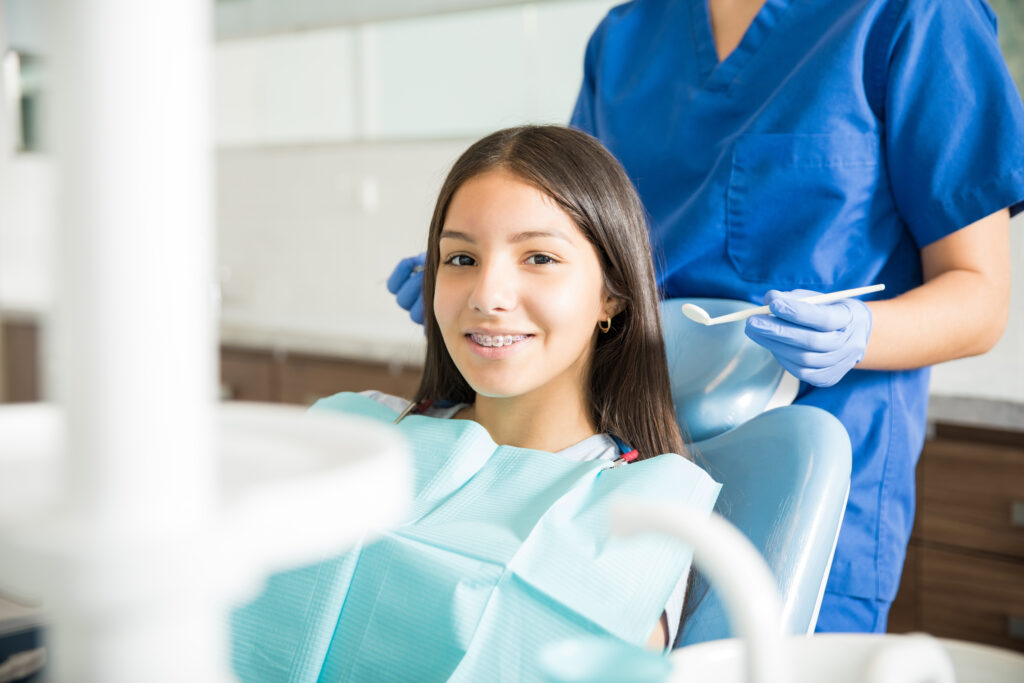
Short answer: Braces and clear aligners both move teeth to improve alignment and bite, but they work differently and suit different situations. Whichever is used, careful oral hygiene and following the orthodontist’s instructions matter a great deal.
Orthodontic treatment may be recommended to correct crowded or spaced teeth, bite problems, or jaw alignment issues. Straighter teeth can be easier to clean and may reduce uneven wear, and many people also value the cosmetic improvement.
| Fixed braces | Clear aligners | |
| How they work | Brackets bonded to teeth, connected by wires | A series of removable, custom-made plastic trays |
| Wear | Continuously, until removed by the orthodontist | Typically worn most of the day, as instructed |
| Eating | Some foods must be avoided | Removed to eat, then teeth cleaned before reinserting |
| Cleaning | Brushing around brackets and wires; special tools often needed | Brushing teeth plus cleaning the aligners |
| Suitability | Can address a wide range of problems | Suitable for some cases, not all |
Invisalign is one well-known brand of clear aligners. It isn’t appropriate for everyone. Some complex bite or alignment problems are better treated with braces, and aligners rely heavily on the patient wearing them consistently. Only an orthodontic assessment can determine which option suits a particular teenager.
Cleaning with braces. Plaque collects around brackets and under wires, and white marks can appear on enamel if cleaning is poor. Helpful tools include an orthodontic toothbrush or a soft brush angled carefully along the gumline, interdental brushes, floss threaders or water flossers, and fluoride toothpaste. Brushing after meals, when practical, helps. Sticky, hard, and chewy foods can break brackets or bend wires, so the orthodontist will usually provide a list to avoid.
Cleaning aligners. Rinse aligners when you take them out, brush them gently with a soft brush and cool water, and avoid hot water that can warp the plastic. Brush your teeth before putting them back in, because aligners hold whatever is on the teeth against them. Drink only water while wearing them unless your orthodontist says otherwise.
Retainers. After active treatment, teeth tend to drift back toward their old positions. Retainers help keep them where they are. How long and how often they should be worn varies, and your orthodontist will give instructions. Skipping retainers is one of the most common reasons results change.
How Can Sports Affect a Teenager’s Teeth?
Short answer: Contact and ball sports can lead to chipped, cracked, loosened, or knocked-out teeth. A properly fitted mouthguard can substantially reduce the risk, and any serious dental injury should be assessed promptly.
Mouth injuries happen in football, hockey, basketball, soccer, martial arts, and even skateboarding and cycling. A mouthguard cushions blows to the face and can help protect teeth, lips, and the jaw. The ADA recommends one for athletes in sports with a risk of contact or falls. Custom-fitted mouthguards made by a dentist generally fit more comfortably than boil-and-bite versions, and both are better than none. Guards should be rinsed after use, kept in a ventilated case, and replaced if damaged or outgrown. Teenagers wearing braces should ask their orthodontist about a guard designed to fit over appliances.
If an injury occurs, the right response depends on what happened:
- A chipped tooth: Rinse the mouth, save any fragment if you can, and see a dentist soon, even if there’s no pain.
- A loosened or displaced tooth: Seek dental care promptly.
- A knocked-out permanent tooth: This is a dental emergency, and time matters. Anyone dealing with a knocked out tooth in Walnut Creek, or anywhere else, should contact a dentist or emergency service right away. While arranging care, handle the tooth only by the crown (the chewing surface), avoid scrubbing it or touching the root, and follow the instructions of the dental professional you speak to about how to keep it moist and protected on the way. Don’t wait to see if it settles.
- A knocked-out baby tooth: This is different, since replanting baby teeth is generally not recommended. Still, call a dentist for advice.
Seek urgent care for a blow to the face with loss of consciousness, vomiting, confusion, or bleeding that won’t stop. Those signs call for medical attention first.
How Do Diet and Sugary Drinks Affect Teen Dental Health?
Short answer: Frequent exposure to sugary and acidic drinks can raise the risk of cavities and enamel erosion. Water is the simplest alternative, and diet matters alongside brushing and flossing rather than in place of them.
Teenagers drink a lot of things that are hard on teeth when consumed often: soda, energy drinks, sports drinks, sweetened coffee drinks, and fruit juices. They can affect the teeth in two ways. Sugar feeds plaque bacteria, which produce acid that can lead to decay. Many of these drinks are also acidic in their own right, and acid can wear away enamel directly, a process called erosion. Sugar-free fizzy drinks may still be acidic.
Sipping over a long period is the pattern of concern. A can of soda drunk with a meal is a very different exposure from a bottle sipped steadily through the afternoon.
Practical suggestions:
- Make water the default, and carry a refillable bottle
- Keep sugary or acidic drinks for mealtimes rather than sipping between meals
- Use a straw to reduce contact with the teeth, where practical
- Rinse with water after an acidic drink, and wait before brushing, since brushing softened enamel right away may increase wear
- Read the label: look for “sugars” per serving, and note that serving sizes on bottles are often smaller than the whole container
- Choose snacks with some thought. Frequent grazing keeps the mouth in an acidic state
No food needs to be forbidden. A balanced diet is good for teeth, and the aim is simply to reduce how often the teeth are under attack.
What Oral Health Habits Should Young Adults Develop?

Short answer: The habits that matter most are the simple ones, done consistently.
Use this as a checklist:
- ✔ Brush twice daily, for two minutes, with fluoride toothpaste
- ✔ Clean between your teeth every day
- ✔ Visit your dentist regularly, at the interval they recommend for you
- ✔ Limit frequent sugary and acidic drinks, and choose water most of the time
- ✔ Wear a mouthguard for contact sports and activities where it’s recommended
- ✔ Don’t use your teeth as tools: opening packages, tearing tape, or biting pen caps can chip or crack them
- ✔ Avoid tobacco and nicotine products, including vaping, which can irritate gum tissue and are linked to a range of oral health problems
- ✔ Don’t ignore dental pain, sensitivity, or bleeding gums. They are your mouth’s way of telling you something needs attention
Young adults who’ve left home often find that dental visits fall off the radar, especially when insurance changes or schedules get busy. Booking a checkup around a regular time, such as a birthday, helps.
Adults & Families
Adulthood is when prevention pays its biggest dividends. The goal is to preserve your natural teeth for life and to catch small problems before they become complicated ones. It’s also a time when life pulls attention in every direction: careers, children, ageing parents. Dental care tends to get postponed until something hurts.
How Should Your Dental Routine Change in Adulthood?
Short answer: The basics stay the same, but gum health, existing dental work, medications, and lifestyle factors play a bigger role, so your routine and checkup schedule should reflect your own circumstances.
The foundations remain brushing twice daily with fluoride toothpaste and cleaning between your teeth every day. What changes is the context.
Gum health. Gum disease is common in adults, and it often develops without pain. Early gum disease (gingivitis) causes red, swollen, or bleeding gums and is generally reversible with good home care and professional cleaning. If it progresses to periodontitis, the supporting bone around the teeth can be affected, and treatment becomes more involved. Bleeding when you brush or floss isn’t something to accept as normal.
Fluoride. Adults get cavities too, including around the edges of old fillings and on exposed root surfaces. Fluoride toothpaste continues to help, and a dentist may suggest additional fluoride in some situations.
Professional examinations and cleanings. How often you need them depends on your risk. Some people do well with visits every six months, some need more frequent attention, and others may be advised a longer interval. There’s no single schedule that fits everyone.
Existing dental work. Fillings, crowns, bridges, and implants all need monitoring. They can wear, crack, or leak, and the tooth underneath can decay.
Lifestyle factors. Diet, smoking, alcohol, stress, medications, and sleep habits all show up in the mouth.
Pregnancy. Hormonal changes can make gums more prone to swelling and bleeding, sometimes called pregnancy gingivitis. Routine dental care is generally considered safe and valuable during pregnancy, and it’s worth letting your dentist know you’re pregnant so they can plan accordingly. Morning sickness exposes teeth to stomach acid, and rinsing with water, then waiting before brushing, may help protect enamel.
In every case, dental needs differ according to oral-health history, medications, age, diet, gum health, and existing restorations. A routine that suited you at twenty-five may need adjusting at forty-five.
What Preventive Dental Care Should Adults Prioritize?
Short answer: Regular examinations and cleanings, X-rays when clinically appropriate, gum assessment, oral cancer screening, and monitoring of existing dental work form the backbone of adult preventive care.
Here is what that usually involves:
- Routine dental examinations. The dentist checks for decay, gum problems, cracks, wear, bite issues, and changes in the soft tissues.
- Professional cleanings. These remove plaque and hardened deposits (calculus or tartar) that brushing can’t, when recommended for you.
- Dental X-rays. These show decay between teeth, bone levels, and problems beneath the surface. Frequency depends on your history and risk, and your dentist will use them only when clinically appropriate.
- Fluoride treatments. These may be suggested if you have a higher risk of decay.
- Periodontal assessment. Measuring the small spaces (pockets) between teeth and gums helps detect gum disease early. The American Academy of Periodontology provides patient resources on gum health.
- Oral cancer screening. The dentist looks and feels for unusual lumps, sores, or patches in the mouth, throat, and neck. Early detection improves outcomes, and tobacco and heavy alcohol use raise risk.
- Dental sealants. Though most often used for children, they may sometimes be appropriate for adults with deep grooves and no existing fillings.
- Monitoring existing restorations. Crowns, fillings, bridges, implants, and other dental work can be assessed for wear, fit, and decay.
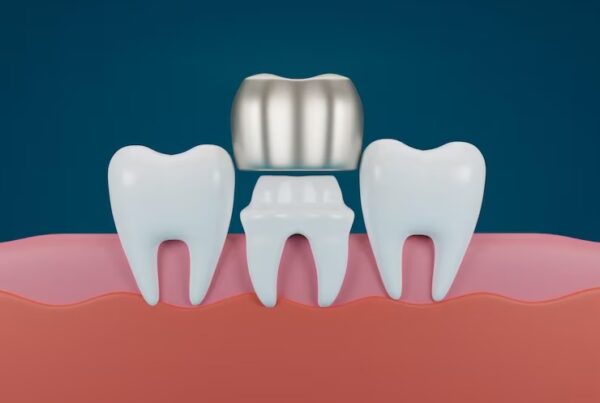
A dental crown is a cap that fits over a tooth to restore its shape, strength, and function. Dentists may recommend one for a tooth that’s significantly damaged by decay, cracked, weakened by a large filling, or treated with a root canal. Someone who searches for dental crowns Walnut Creek is usually trying to understand whether a crown is the right solution for a tooth that’s giving trouble. It isn’t always. Many damaged teeth can be treated with a filling or other conservative approach, and an examination is the only way to know.
Preventive care also extends to appearance and gum shape. Some people look into cosmetic or periodontal-related procedures, such as a gum lift (also called gum contouring or crown lengthening, depending on the purpose), to reshape the gum line. Patients researching gum-lift Walnut Creek options are often concerned that their teeth look short or that their gums show too much when they smile. A gum-lift may be considered in certain cosmetic situations, or when more of a tooth needs to be exposed for restorative work. It is not routinely necessary, and suitability depends on factors such as gum health, tooth shape, and bone levels, which a dentist or periodontist needs to evaluate.
How Can Stress and Lifestyle Habits Affect Your Oral Health?
Short answer: Stress, poor sleep, tobacco, alcohol, diet, dehydration, and inconsistent oral hygiene can all influence the health of your teeth and gums.
The connections are often indirect, but they’re real:
- Stress. People under stress may clench or grind their teeth, skip routines, eat more sugary snacks, or drink more caffeine and alcohol. Any of these can show up in the mouth.
- Teeth grinding and clenching (bruxism). This is often unconscious and frequently happens during sleep. Possible signs include jaw soreness, headaches, tooth sensitivity, flattened or chipped teeth, and a tired feeling in the jaw muscles on waking. Each of these can have other causes, so these signs don’t confirm grinding. A dentist can examine your teeth and jaw and may suggest a custom night guard if it seems appropriate.
- Poor sleep. Sleep problems can be associated with grinding and with changes in habits, and some sleep conditions affect the mouth. If you wake with a very dry mouth or your partner notices loud snoring, mention it to your dentist or doctor.
- Tobacco. Smoking and smokeless tobacco raise the risk of gum disease, oral cancer, tooth loss, staining, and slower healing.
- Alcohol. Heavy drinking is associated with a higher risk of oral cancer, and many alcoholic and mixed drinks contain sugar or acid.
- Diet. Frequent snacking and sipping on sweet or acidic drinks affects teeth, as it does at any age.
- Dehydration. A dry mouth lacks the protective effects of saliva, which washes away food and neutralises acids.
- Inconsistent oral hygiene. The effects of skipped brushing and flossing build up gradually, and often silently.
If you’re concerned about stress, anxiety, or sleep, a healthcare provider is the right person to talk to. A dentist can help with the physical effects on your teeth, but can’t diagnose the cause.
When Should Adults Consider Restorative Dental Treatment?
Short answer: Restorative treatment may be appropriate when a tooth is damaged, decayed, worn, or missing, or when existing dental work is failing. The right option depends on an individual examination.
Situations where restorative care may come into play include:
- Large cavities
- Cracked or significantly damaged teeth
- Worn teeth
- Missing teeth
- Failed or deteriorating fillings, crowns, or bridges
- Teeth that can’t be adequately protected with a filling alone
Here are the main options at a high level:
- Fillings. A filling repairs a tooth damaged by decay, using materials such as tooth-coloured composite resin or other options. They suit small to moderate cavities.
- Crowns. When too much of the tooth is lost or weakened for a filling to be reliable, a crown can protect what remains and restore function. Patients who ask about dental crowns Walnut Creek dentists offer should know that the decision comes down to how much healthy tooth structure remains, the tooth’s position and workload, and what your dentist finds on examination.
- Bridges. A bridge replaces one or more missing teeth by anchoring a replacement tooth to neighbouring teeth, which are usually crowned.
- Dental implants. An implant is a small post, typically titanium, placed in the jawbone to support a crown, bridge, or denture. It requires adequate bone and healthy gums, and not everyone is a candidate.
- Dentures. Removable full or partial dentures replace multiple missing teeth. Modern designs can be combined with implants for added stability.
Each has advantages and limitations, and no option is always best. Why not just work out what you need from photos or online descriptions? Because a tooth that looks fine can have decay underneath, and a tooth that hurts may need something much simpler than you fear. Self-diagnosis often leads to the wrong assumptions. A thorough examination, usually with X-rays, lets your dentist explain your options, including the choice to monitor a tooth, and the reasons behind their recommendation.
How Can Busy Families Maintain Healthy Dental Habits?
Short answer: Make dental care part of the household routine, keep supplies visible and stocked, and treat symptoms as something to handle quickly rather than later.
Perfect routines are unrealistic. These practical strategies tend to hold up:
- Brush together. A family brushing time in the morning and evening makes it automatic, and children learn by watching. Two minutes with a song or timer works well.
- Keep supplies accessible. Store toothbrushes and toothpaste where everyone can reach them, and keep a spare toothbrush and a travel tube in the car or bag.
- Supervise young children. Brush for them or check their work until they have the skill to do it well.
- Schedule appointments together. Booking back-to-back slots for the family, where your dental office can accommodate it, saves trips and makes visits feel routine.
- Plan snacks. Put out cut fruit, vegetables, cheese, or nuts (where age-appropriate) instead of grazing on sticky snacks. Offer water between meals and keep a jug in the fridge.
- Use reminders. Phone alerts, a wall calendar, or a sticker chart for younger children can help. Replace toothbrushes on a schedule, perhaps with each season.
- Set aside a regular checkup time. Many families link appointments to something memorable, such as the start of the school year.
- Respond to symptoms quickly. A child complaining of a sore tooth, a parent noticing bleeding gums, or a teen with a chipped tooth should be seen sooner rather than later. Small problems are cheaper and simpler to fix.
Older Adults
Getting older doesn’t automatically mean losing your natural teeth. Many people keep their own teeth well into later life with consistent care and regular professional attention. What changes is the set of challenges, and the approach should change with it.
How Does Oral Health Change as You Age?
Short answer: Ageing brings changes such as reduced saliva, gum recession, wear, and older dental work, along with medication effects and difficulties with dexterity. They raise the risk of certain problems, though they aren’t inevitable.
Ageing isn’t a disease, but several changes are common:
- Saliva production. Many older adults have less saliva, often because of medications rather than ageing itself.
- Gum recession. Gums can pull back, exposing the softer root surfaces of teeth, which are more vulnerable to decay and sensitivity.
- Tooth wear. Decades of chewing, and sometimes grinding or acid exposure, can gradually wear down enamel.
- Sensitivity. Exposed roots and worn enamel can make teeth more sensitive to hot, cold, or sweet things.
- Older restorations. Fillings and crowns placed years ago may leak, crack, or loosen, and decay can start around their edges.
- Dexterity and mobility. Arthritis, tremors, or reduced strength can make it harder to hold a toothbrush or use floss, so cleaning may become less effective without anyone noticing.
- Medication-related changes. Many commonly prescribed drugs affect the mouth, most often by causing dryness.
- Health conditions. Diabetes and other conditions can influence gum health and healing.
Risk varies widely. Some people reach their eighties with few problems, while others face challenges earlier. What matters is paying attention and adapting.
What Dental Problems Become More Common After 50?
Short answer: Gum disease, root cavities, dry mouth, tooth wear, fractures, and tooth loss are more common in later life, though none are certain to occur.
Problems that may become more likely include:
- Gum disease. Not everyone over 50 will develop it, but the cumulative effect of plaque and other risk factors, including smoking and diabetes, means it’s more prevalent with age. Warning signs include bleeding gums, persistent bad breath, loose teeth, or gums that pull away from teeth.
- Root caries. Cavities on exposed root surfaces, which lack the hard enamel covering of the crown.
- Tooth decay. Including decay around older fillings and crowns.
- Dry mouth. Discussed in more detail below.
- Tooth wear. From years of use, grinding, or acid.
- Tooth fractures. Teeth with large fillings or root canal treatment can become more brittle over time.
- Tooth loss. Usually the result of untreated decay, gum disease, or fractures rather than age itself.
- Problems around existing restorations. Leaking margins, loose crowns, or ill-fitting dentures.
- Oral infections. Including fungal infections such as oral thrush, which are more likely with dry mouth, dentures, certain medications, or reduced immune function.
Any new sore, patch, or lump in the mouth that doesn’t heal within about two weeks deserves prompt examination.
How Can Older Adults Protect Their Natural Teeth?
Short answer: Keep up the fundamentals (brushing, cleaning between teeth, fluoride, and regular dental exams) and adapt your tools and habits as your needs change.
- Brush twice daily with fluoride toothpaste. A higher-fluoride toothpaste is sometimes prescribed for people at greater risk of root decay.
- Clean between your teeth every day. Interdental brushes, floss holders, or a water flosser may be easier than traditional floss.
- Attend regular dental exams. Your dentist can set a schedule that suits your risk and spot problems before they cause pain.
- Manage dry mouth (see below).
- Eat a balanced diet. Limit frequent sugary snacks and drinks, since that matters at this age as at any other.
- Stay hydrated. Sip water through the day.
- Don’t ignore pain or sensitivity. Early treatment generally means simpler treatment.
- Use adaptive aids. Electric toothbrushes, brushes with larger or built-up handles, and floss holders can help if dexterity is limited. An occupational therapist or dental professional can suggest options.
- Look after dentures. Remove them at night if your dentist advises it, clean them daily with a denture cleaner rather than regular toothpaste, rinse after meals, and keep brushing your gums and any natural teeth. Ill-fitting dentures should be checked rather than tolerated.
For people who rely on caregivers, it can help to include oral care in the daily care plan and to share information with the dental team about medications and health conditions.
What Should Seniors Know About Dry Mouth and Oral Health?

Short answer: Dry mouth (xerostomia) is a condition in which the mouth doesn’t make enough saliva. It’s often caused by medications, and it can raise the risk of cavities and discomfort.
Saliva does a lot of quiet work. It washes away food, neutralises acids, helps repair early enamel damage, and makes chewing, swallowing, and speaking more comfortable. When saliva is reduced, decay can progress faster and the mouth may feel sticky, sore, or burning. Some people notice difficulty swallowing dry foods, changes in taste, a dry or cracked tongue and lips, or trouble speaking for long periods. Denture wearers may find dentures less comfortable.
Common causes include hundreds of medications (including some used for blood pressure, depression, allergies, and pain), certain health conditions, and cancer treatments such as radiation to the head and neck. The cause varies from person to person, so it’s best not to assume.
Strategies that may help:
- Sip water regularly, and keep water by the bed
- Chew sugar-free gum or suck sugar-free lozenges to stimulate saliva
- Use saliva substitutes or moisturising mouth rinses, as suggested by your dentist
- Avoid tobacco, and limit alcohol, caffeine, and alcohol-based mouthwashes, which can be drying
- Use fluoride toothpaste and ask about additional fluoride products
- Consider a humidifier at night
- Be careful with sugary and acidic drinks, which are more damaging when saliva is low
Persistent dry mouth is worth raising with your dentist or doctor, who can look for the cause and suggest options. Please don’t stop or change a prescribed medication on your own because you suspect it’s the problem. Your prescriber can review whether an adjustment is possible and safe.
Pain is the other symptom people tend to put up with for too long. Typing severe toothache Walnut Creek into a search bar at midnight is understandable, but severe or persistent tooth pain shouldn’t be ignored or managed at home indefinitely. Pain can signal deep decay, a crack, or infection, and infections can spread. Swelling in the face or jaw, fever, or trouble swallowing or breathing needs urgent medical attention. Over-the-counter pain relievers might ease discomfort temporarily, but they don’t treat the cause. Prompt evaluation gives you the best chance of a straightforward solution. And not every toothache means a root canal. The right treatment depends on the cause.
Why Are Regular Dental Visits Important at Every Stage of Life?
Dental visits serve a different purpose at each stage of life.
- Children: Prevention, tracking development, building comfortable habits, and spotting problems early
- Teens: Support for growing independence, orthodontic monitoring, sports protection, and advice on diet-related risks
- Adults: Prevention, gum health, keeping an eye on existing dental work, and treating issues early
- Older adults: Preserving natural teeth, managing dry mouth, protecting gums, and monitoring restorations
How often you need to go depends on you. Your dentist will recommend a schedule based on your history, risk factors, and current health.
The common thread is that regular visits let problems be found when they’re small. Many dental conditions, including early decay and gum disease, cause no pain until they’re advanced. Waiting for discomfort often means waiting for a bigger problem. If you’ve been putting off a checkup, whether for yourself or someone in your family, the best time to book one is before anything hurts.