

“You need a crown.” Four words that can catch a patient off guard, especially if the tooth in question doesn’t hurt or look particularly damaged. It’s a fair reaction; a crown sounds like a bigger commitment than a filling, and most people want to understand why it’s being recommended before agreeing to it. If you are exploring options for dental crowns in Walnut Creek, a dental crown is essentially a custom-made cap that fits over a tooth, restoring its shape and strength while protecting what remains of the natural structure underneath. Dentists recommend one when a tooth needs more support than a filling alone can offer. But that doesn’t mean every chipped or decayed tooth needs one, and knowing the difference can help you ask better questions at your next appointment.
What Is a Dental Crown?
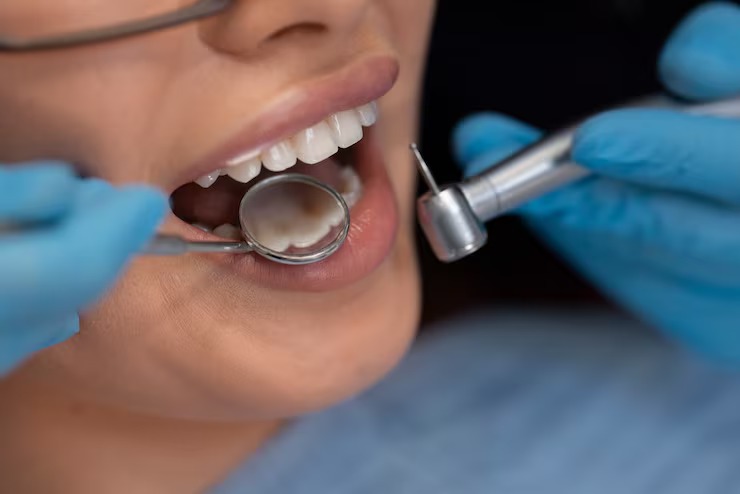
A dental crown is a cap, usually made from porcelain, ceramic, or a metal alloy, that’s shaped to match your natural tooth and cemented over it. Instead of filling in a small area of damage the way a filling does, a crown covers the entire visible portion of the tooth above the gumline. This gives the tooth an outer shell that can absorb chewing forces and hold the remaining structure together.
Fillings work well when the damage is limited and there’s still plenty of healthy tooth around it. Crowns come into the picture when the remaining structure is too thin, cracked, or compromised to support a filling on its own. The decision usually comes down to how much natural tooth is left and how well it can withstand normal biting pressure.
7 Signs You May Need a Dental Crown
1. Your Tooth Is Cracked or Fractured
A crack that runs deep into a tooth can weaken it significantly, particularly if it extends toward the root or affects how the tooth flexes under pressure. Left alone, a crack can sometimes worsen with continued chewing. That said, not every crack calls for a crown. Small surface cracks, often called craze lines, are usually cosmetic and harmless. Your dentist will look at the depth, direction, and location of the crack before deciding whether a crown is the right call.
2. You Have a Very Large Filling
Fillings are meant to replace missing tooth structure, but there’s a limit to how much a filling can support. When a filling takes up most of the biting surface, the tooth around it becomes thinner and more prone to fracturing under normal chewing pressure. In these cases, a crown can distribute that pressure more evenly and reduce the risk of the tooth breaking around the existing filling.
3. The Tooth Has Significant Decay
Extensive tooth decay can eat away at enough healthy structure that a standard filling no longer has enough to bond to or support. The decayed portion still needs to be removed first, and the tooth assessed to see how much sound structure remains. If enough of the tooth is intact after the decay is cleaned out, a filling may still work. If not, a crown may be recommended to rebuild and protect what’s left.
4. You Have Had a Root Canal
Root canal treatment removes infected or damaged tissue from inside a tooth, but it can also leave the tooth more brittle over time, particularly on back teeth that handle heavy chewing forces. This is why crowns are often discussed after root canal therapy. It isn’t automatic, though. A front tooth with more structure intact, or one that doesn’t bear much bite force, may not need the same level of protection as a molar. Your dentist will weigh the tooth’s location, how much structure remains, and its role in your bite.
5. Your Tooth Is Severely Worn
Years of grinding, clenching, acid erosion, or repeated stress can gradually wear down tooth enamel and change the shape of a tooth. Worn teeth can become shorter, flatter, or more sensitive, and in some cases they lose enough structure that chewing becomes uncomfortable. A crown may be used in these situations to rebuild the tooth’s original shape and give it a protective outer layer, particularly when wear has progressed beyond what bonding can reasonably repair.
6. A Large Piece of the Tooth Has Broken Off
There’s a meaningful difference between a small chip and a larger fracture. A minor chip, especially on the edge of a front tooth, can often be repaired with dental bonding, a straightforward procedure where tooth-colored resin is shaped and hardened onto the tooth. When the broken piece is larger, involves a cusp, or affects how the tooth bites down, a crown may offer more reliable, long-term protection than bonding alone.
7. A Filling or Other Restoration Cannot Provide Enough Protection
This sign ties the previous six together. When a tooth has lost enough structure, whether from decay, a crack, prior dental work, or wear, a filling may simply not be strong enough to hold up over time. A crown becomes worth considering once the remaining tooth needs a supportive covering rather than a patch. This is ultimately a judgment call your dentist makes after examining the tooth directly, not something that can be determined from symptoms alone.
Crown vs. Filling: Which Do You Need?
| Treatment | Common Use |
| Filling | Smaller areas of decay or damage |
| Bonding | Minor chips and cosmetic repairs |
| Crown | More extensive structural damage |
| Veneer | Selected cosmetic concerns involving the front surface of a tooth |
These are general examples rather than fixed rules. Two patients with seemingly similar damage can end up with different recommendations, since the right treatment depends on the individual tooth, its location, and how it functions within your bite.
What Happens If You Delay a Recommended Crown?
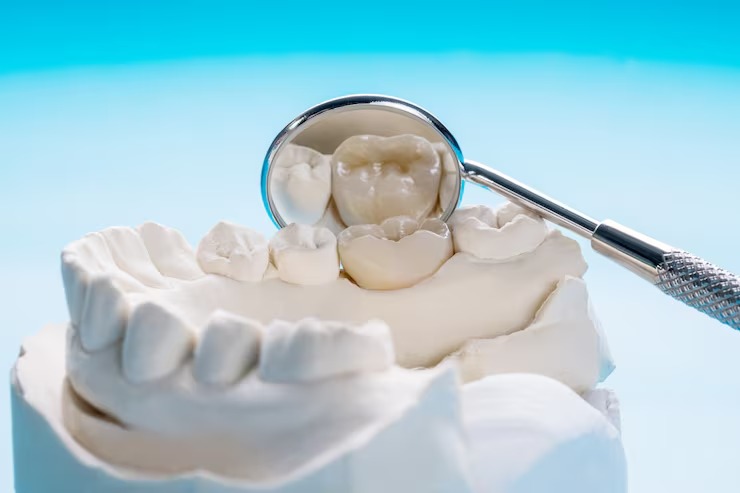
Putting off a recommended crown doesn’t automatically lead to a dental emergency, but it can carry some risk. A weakened tooth may continue to wear down, develop new decay around the edges of an existing filling, or fracture further under normal biting pressure. In some cases, delaying treatment can mean the tooth eventually needs more extensive work, such as a root canal, than would have been necessary earlier. This isn’t a certainty for every tooth, but it’s worth discussing with your dentist if you’re considering waiting.
Are Dental Crowns Painful?
Crown preparation typically involves a local anesthetic, so most patients don’t feel pain during the procedure itself. Your dentist will shape the tooth and take an impression, and a temporary crown is often placed while the permanent one is being made. Some mild sensitivity to temperature or pressure is common in the days afterward, particularly around the gumline, but this generally settles as the tooth adjusts. As with any dental procedure, individual experiences can vary.
Dental Crowns and Smile Makeovers
Crowns are sometimes part of a larger treatment plan, particularly when a patient is exploring options for a smile makeover Walnut Creek dentists might recommend after a full evaluation. It’s worth being clear, though, that a crown isn’t simply a cosmetic tool. Its primary role is to restore strength and function to a tooth that’s lost structure, even if it also improves appearance in the process. A smile makeover Walnut Creek patients pursue might combine crowns with other treatments, such as bonding or veneers, depending entirely on what each tooth actually needs.
Choosing Dental Crowns in Walnut Creek
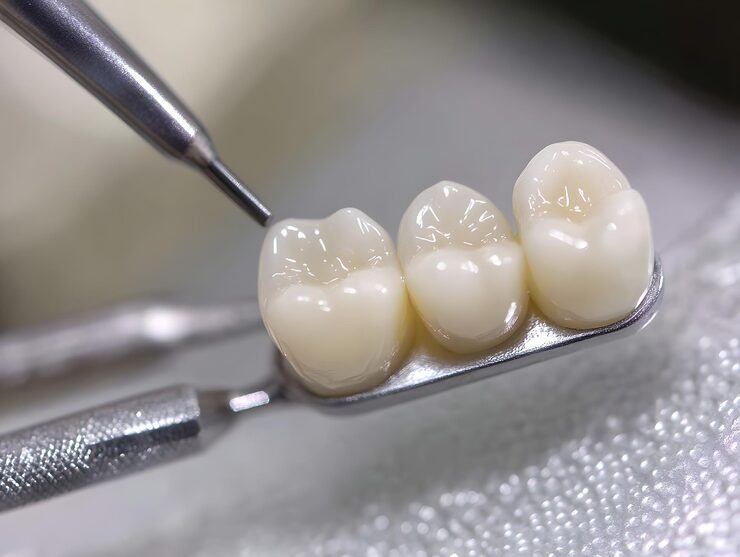
If you’re weighing dental crowns in Walnut Creek patients often have a few practical things to consider before moving forward. A proper diagnosis matters more than anything else, since the right treatment depends on an accurate read of how much healthy tooth structure remains. Beyond that, it helps to think about the dentist’s experience with crown placement, the material best suited to the tooth’s location and function, and how well the final crown fits with your natural bite. It’s also reasonable to ask about alternatives before committing to dental crowns that Walnut Creek offices provide, along with what ongoing care the crown will need afterward.
Questions to Ask Your Dentist
- Why does this particular tooth need a crown?
- Is there enough healthy tooth structure remaining to consider a filling instead?
- Could bonding address the damage instead of a crown?
- What are the risks of waiting or choosing a different treatment?
- What type of crown material is appropriate for this tooth?
- How should I care for the tooth after the crown is placed?
Final Takeaway
A damaged tooth doesn’t automatically mean a crown is the only option. Fillings and bonding remain appropriate for many cases, and a crown tends to be recommended once a tooth has lost enough structure or strength that these smaller restorations can no longer offer reliable protection. The only way to know for certain is to have the tooth examined in person, since symptoms alone rarely tell the full story. Rather than guessing based on how a tooth feels or looks, or relying on general information online, the most reliable next step is a proper evaluation from your dentist.