
Dental emergencies never happen at a good time.
A tooth cracks on hard candy halfway through a weekend trip. That dull ache from yesterday? It’s sharp now, and it’s keeping you up. Your kid takes an elbow to the mouth at soccer practice and comes home with a front tooth hanging loose.
None of that waits for a cleaning appointment six weeks out.
Here’s the good news, though. Once you know what actually counts as an emergency, roughly what treatment involves, and what it might cost, most of the panic disappears. If you’re in real pain right now, the priority is simple: find a reliable emergency dentist in Walnut Creek. That’s what stops the pain and keeps it from turning into something worse.
Let’s get into it.
What Actually Counts as a Dental Emergency?

Not everything needs a same-day visit. Some things do.
Get in right away if you have:
- Sudden, severe tooth pain
- A knocked-out tooth
- A cracked or broken tooth with pain or a sharp edge
- Swelling in the face or gums, especially with fever
- Bleeding after an injury that won’t stop
- A lost filling or crown that hurts
These can usually wait for a normal appointment:
- Mild sensitivity that comes and goes
- A small chip, no pain
- A dull ache that ibuprofen handles fine
Not sure which one you’re dealing with? Just contact the office. Two minutes on the phone usually tells you whether today’s the day or tomorrow’s fine.
Common Emergency Treatments

Severe Toothache
This is probably the top reason people call outside their regular appointments. And it usually means something’s going on underneath, a deep cavity, an infection near the root, maybe a crack that’s exposed the nerve. If you’re searching for severe toothache walnut creek care, getting evaluated promptly can help identify the cause before it gets worse.
What happens next depends on the cause. Sometimes a filling or crown does the trick. Other times, if infections reach the pulp, you’re looking at a root canal to clear out the damaged tissue and keep the tooth. And if the tooth’s too far gone, extraction becomes the plan, usually followed by a talk about replacing it later on.
Knocked-Out Tooth
Speed is everything here. Get to a dentist within about 30 to 60 minutes and the chances of saving that tooth go up a lot.
Rinse it off gently, no scrubbing. If you can, try tucking it back into the socket. Can’t manage that? Drop it in milk or saline and head out the door. Once you’re at the office, expect the dentist to reposition and splint it, then check on the nerve over the next few weeks.
Broken or Chipped Tooth
Some breaks are small, barely noticeable when you bite down. Others go deep enough to expose what’s inside the tooth.
Small chips usually get smoothed down or bonded in one visit. Bigger breaks might call for a crown to rebuild the shape and keep it protected. And if the nerve’s exposed, a root canal usually happens first.
Dental Abscess
An abscess is basically a pocket of infection. Not something to wait out. You’ll likely notice pain, swelling, a bad taste, sometimes a fever on top of it all.
Leave it alone, and it can spread past the tooth into the tissue around it. In rare cases, it gets genuinely dangerous. Treatment typically means draining it, handling the source with a root canal or extraction, and antibiotics if things need extra help clearing up.
What Emergency Dental Care Tends to Cost

There’s no one price that covers every case, it really comes down to what’s needed. Roughly speaking, though:
- An exam and X-rays are usually where it starts, and many plans, PPOs included, cover at least part of that.
- Fillings tend to be the cheapest fix.
- Root canals cost more since they take more time and more skill, but they’re still cheaper, usually by a good margin, than losing the tooth and needing an implant down the line.
- Extractions land somewhere in between, depending on how complicated they get.
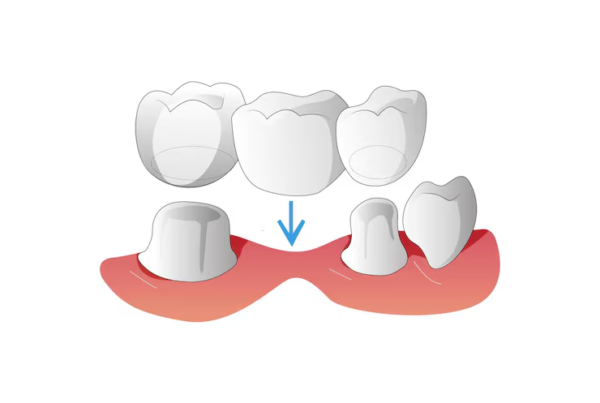
- Crowns and replacements like implants add to the total, but they’re often what actually restores full function after serious damage.
Coverage differs by plan, and financing options like CareCredit or Cherry can help spread things out when treatment can’t wait. It’s worth just asking the office what your specific issue will likely run, so nothing surprises you later.
What Recovery Usually Looks Like
Depends heavily on what was done. A simple filling might leave you a bit sensitive for a day or two, nothing serious. A root canal usually means some soreness for a few days, over-the-counter pain relief takes care of it, and most people are back to their day within 24 hours.
Extractions need a little more from you: rinse gently, avoid chewing near the site, take it easy for a few days. Most people are mostly healed within a week.
If a tooth was knocked out or repositioned, don’t skip the follow-ups. The nerve needs watching for weeks, sometimes months, since a tooth can look completely normal on the outside while something’s still going wrong underneath.
Whatever the treatment, sticking to the aftercare, soft foods, a prescribed rinse, a follow-up visit, is usually what separates a smooth recovery from the pain coming right back.
When to Call
Sudden pain. A broken or knocked-out tooth. Swelling. Anything that just doesn’t feel like it can wait. If you’re dealing with severe toothache walnut creek symptoms or another urgent dental problem, don’t put off getting checked, call an emergency dentist in Walnut Creek right away. A quick call is usually enough to figure out what needs same-day care and what can hold until tomorrow.
Milcovich Dental Arts, located at 1855 San Miguel Dr Suite 27 in Walnut Creek, offers emergency dental care for toothaches, broken teeth, knocked-out teeth, and abscesses. If you’re dealing with a dental emergency, call (925) 944-5151 right away, or request an appointment online.