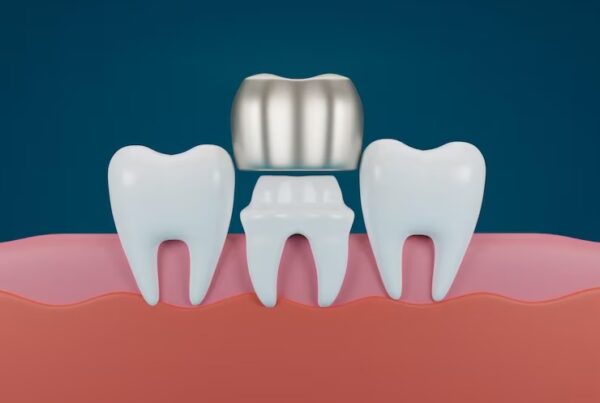

Lose a tooth, and the problem doesn’t stop at the gap. Your jaw bone starts to shrink. Your other teeth start to shift. Your bite changes.
Dental implants in Walnut Creek deal with all of that. Bridges and dentures mostly deal with the gap. That’s the real difference, and it’s why more patients are asking for implants by name.
Here are the 5 reasons implants win.
1. Implants protect the bone. Bridges and dentures don’t.
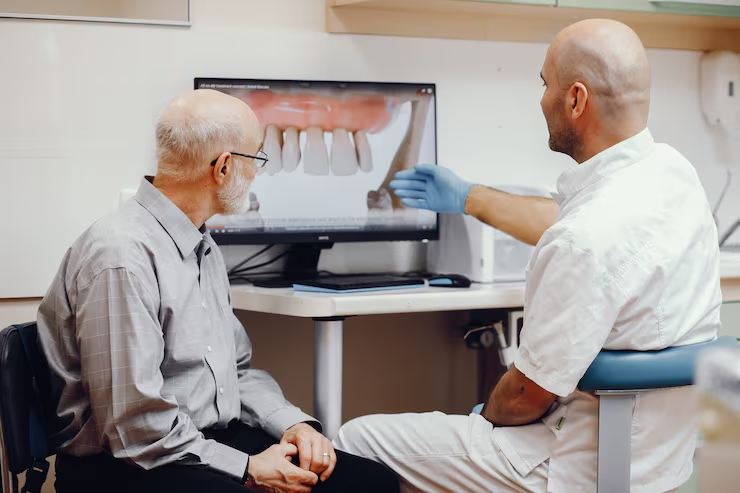
Bone needs pressure to stay strong. Tooth roots give it that pressure every day.
Pull the tooth, and the bone under it starts shrinking within months. Dentists call this resorption.
- A bridge sits on the gum. It doesn’t reach the bone.
- A denture rests on the gum too. Same problem.
- An implant is a titanium post placed into the bone itself. It acts like a root, so the bone keeps the signal it needs.
This is the main reason a periodontist in Walnut Creek CA will point patients toward an implant when bone health is already a concern. Preserving bone today can also make future dental treatment much simpler, since there is more natural structure to support your teeth and gums.
2. Implants leave your other teeth alone.
A bridge needs support from somewhere. That support comes from the two teeth next to the gap.
To fit the crowns, the dentist has to grind down those two healthy teeth. Teeth that had nothing wrong with them.
- Enamel loss on 2 teeth that didn’t need it.
- If either of those teeth needs a root canal later, the whole bridge is affected.
- An implant stands on its own. Nothing next to it gets touched.
Keeping healthy teeth intact is a major advantage. Every natural tooth plays its own role in supporting your bite, and once enamel is removed, it doesn’t grow back. By replacing only the missing tooth, an implant helps preserve the rest of your smile without asking healthy teeth to do extra work.
3. Implants last decades. Bridges and dentures don’t.
- Implants: 20+ years, often a lifetime with basic care.
- Bridges: 10 to 15 years before something needs attention.
- Dentures: relined or replaced every 5 to 7 years as the jaw shape changes.
Yes, an implant costs more upfront. But most patients replace a bridge once or twice over 20 years, and each round adds cost. An implant is usually a one-time cost, not a recurring one.
Longevity also means fewer interruptions to your daily life. With good brushing, flossing, and regular dental checkups, many implant patients continue using the same restoration for decades.
While no dental treatment is completely maintenance-free, implants generally require the same routine care you’d give your natural teeth rather than frequent adjustments or replacements.
4. Implants bring back real chewing force.
Natural teeth bite hard because the root is anchored in bone. A denture just rests on the gum, so it can slip.
That’s why a lot of denture wearers quietly avoid apples, corn on the cob, or a good steak.
Over time, avoiding certain foods can limit diet choices and make it harder to enjoy meals with family and friends. Many patients don’t realize how much they’ve adjusted their eating habits until they have a more stable replacement.
Implants restore chewing force close to what a natural tooth had, because they’re anchored the same way. Patients who switch usually notice they stop avoiding foods, not because they decided to, but because they can eat them again.
5. Implants don’t move, click, or come out at night.
Dentures shift when you laugh. They can click when you talk. Most need adhesive to get through the day, and they come out every night for cleaning.
An implant is fixed in place. No slipping, no daily in-and-out, no adhesive. You brush it and floss it like a natural tooth.
Patients who’ve worn dentures and then switched to implants usually mention this first. Not the look. The fact that it just stays put.
Is an implant right for you?
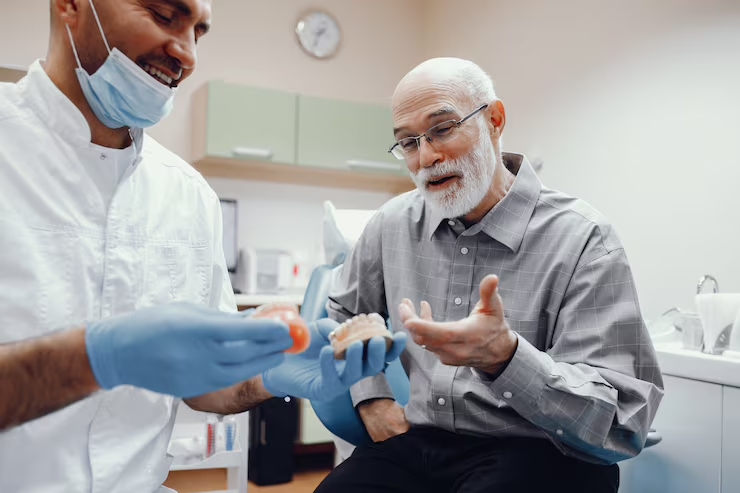
Not everyone qualifies for an implant on day one. Bone density and gum health matter, and that’s exactly what a periodontist in Walnut Creek CA checks before recommending a plan.
Some patients may need additional treatment, such as improving gum health or rebuilding lost bone, before an implant can be placed. That doesn’t automatically rule out implants. It simply means creating the right foundation first so the implant has the best chance of long-term success.
At Milcovich Dental Arts, Dr. William Milcovich looks at your bone structure, walks you through what’s realistic for your mouth, and gives you a straight answer, not a sales pitch.
If you’re deciding between dental implants in Walnut Creek and a bridge or denture, come in for a consultation first.