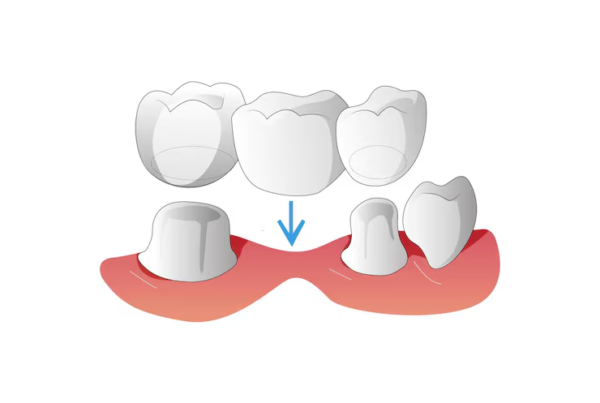

It is no exaggeration to say that dental implants have established themselves as the most reliable solution to tooth loss problems, especially when considering full mouth dental implants Walnut Creek. This technology helps replace missing teeth in a natural-looking way, restores functionality, improves aesthetics, and positively impacts your quality of life.
But before proceeding with the dental implant procedure, you need to learn about it thoroughly to make a well-informed decision. In order to succeed in achieving maximum positive results, you should be aware of some key aspects regarding this type of dentistry.
This article focuses on seven key factors that should influence your decision to get a dental implant and ensure success in this matter.
1. Dental Implants Are Designed to Replace Missing Tooth Roots
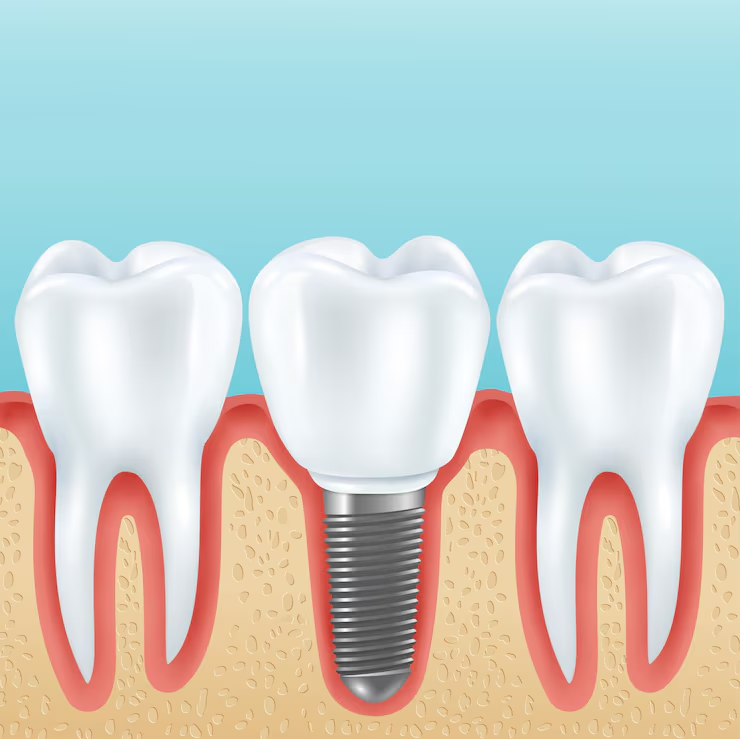
Unlike traditional dentures or dental bridges, dental implants replace both the visible tooth and the tooth root underneath the gums.
A dental implant typically consists of:
- A titanium implant post placed into the jawbone
- An abutment that connects the implant to the restoration
- A custom dental crown that looks and functions like a natural tooth
The implant post integrates with the jawbone through a process called osseointegration, creating a stable and durable foundation for the replacement tooth.
Because implants mimic the structure of natural teeth, they provide excellent stability, comfort, and functionality.
2. Good Oral Health and Bone Density Are Important
The main aspect in successful dental implant treatment includes good gum health and jawbone density.
Dental implants need strong bone support to stay fixed over time. In cases where there is a lot of bone loss, patients might have to undergo some other treatments like bone grafting before dental implant surgery.
Your dentist will typically perform:
- A comprehensive oral examination
- Digital X-rays
- 3D imaging scans
- Gum health evaluation
- Bone density assessment
These evaluations help determine whether dental implants are the right option for you.
Conditions that may affect implant candidacy include:
- Advanced gum disease
- Severe bone loss
- Smoking
- Uncontrolled diabetes
- Certain autoimmune conditions
- Poor oral hygiene habits
A qualified dental professional can recommend personalized treatment options based on your oral health needs.
3. The Dental Implant Process Takes Time
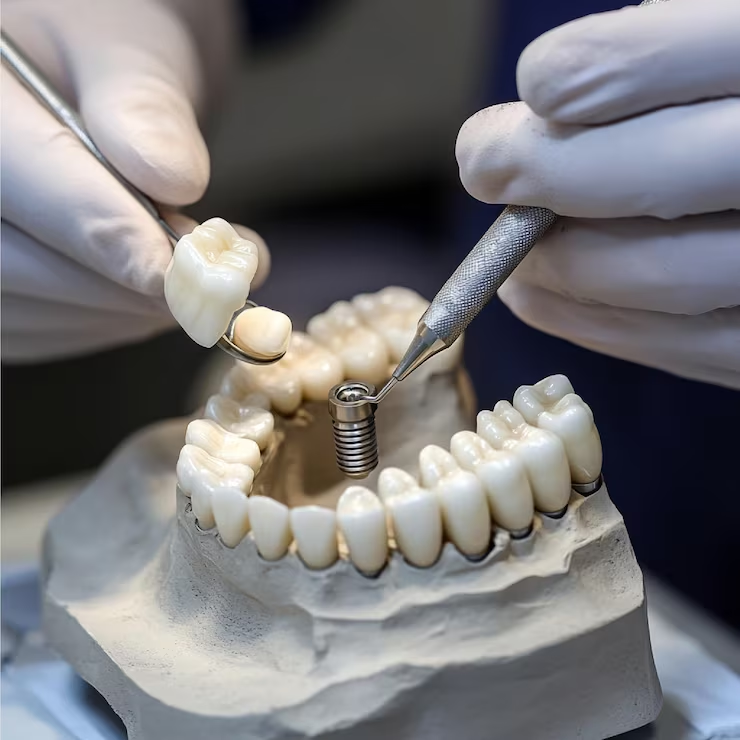
Most patients feel surprised by the fact that their dental implants usually cannot be done in one sitting.
This is because the procedure is normally carried out in different phases.
Typical Implant Timeline
Initial Consultation
Your dentist evaluates your oral health and creates a customized treatment plan.
Implant Placement Surgery
The titanium implant is surgically placed into the jawbone.
Healing and Osseointegration
Over the next several months, the implant fuses with the jawbone.
Abutment Placement
A connector piece is attached to support the final restoration.
Final Crown Placement
A custom-designed crown is secured to complete the restoration.
Although the process requires patience, the long-term durability and function of implants make them a worthwhile investment for many patients.
4. Dental Implants Help Preserve Jawbone Health
Among the less discussed advantages of dental implants is the fact that they play a critical role in preserving jaw bone integrity.
Losing a tooth means losing the root which stimulates the surrounding jawbone tissues. As a result, bone atrophy occurs, leading to the following:
– Sagging face
– Premature aging of facial features
– Misalignment of the teeth
– More tooth losses
– Poor functioning of the mouth
Implants act like natural tooth roots and keep the jawbone stimulated to avoid bone atrophy and preserve your face structure.
5. Proper Aftercare Is Essential for Long-Term Success
Dental implants have a very high success rate, but proper care is critical for maintaining healthy implants over time.
Patients should:
- Brush and floss regularly
- Attend routine dental cleanings
- Avoid smoking
- Follow post-surgical instructions carefully
- Maintain good overall oral hygiene
Although implants cannot develop cavities like natural teeth, the surrounding gums and bone still need protection from infection and inflammation.
Poor oral hygiene may increase the risk of peri-implantitis, a condition that can affect implant stability.
With proper care, dental implants can last for many years and often decades.
6. Choosing an Experienced Dental Provider Matters
Dental implant treatment requires advanced training, precision, and careful planning.
An experienced implant dentist can:
- Accurately assess candidacy
- Develop personalized treatment plans
- Use advanced imaging technology
- Ensure proper implant placement
- Optimize both function and aesthetics
Patients should look for providers who emphasize:
- Comprehensive consultations
- Modern dental technology
- Personalized care
- Patient education
- Long-term treatment success
Choosing the right dental team can significantly impact comfort, healing, appearance, and overall outcomes.
7. Dental Implants Offer Long-Term Benefits
While dental implants may initially cost more than some alternative tooth replacement options, many patients consider them a worthwhile long-term investment.
Benefits of dental implants include:
- Natural appearance
- Improved chewing ability
- Enhanced speech
- Greater comfort
- Better confidence
- Long-lasting durability
- Bone preservation
- Improved oral health
Unlike removable dentures, implants remain securely in place and function similarly to natural teeth.
For many individuals, dental implants improve both physical comfort and emotional well-being.
Common Questions About Dental Implants
Are Dental Implants Painful?
Most patients report minimal discomfort during the procedure. Modern dental techniques and anesthesia options help make treatment more comfortable.
How Long Do Dental Implants Last?
With proper care and maintenance, dental implants can last for decades.
Can Older Adults Get Dental Implants?
Yes. Many healthy older adults are excellent candidates for dental implants.
Are Dental Implants Safe?
Dental implants are considered a safe and predictable treatment when performed by qualified professionals.
Why Education and Expertise Matter in Implant Dentistry
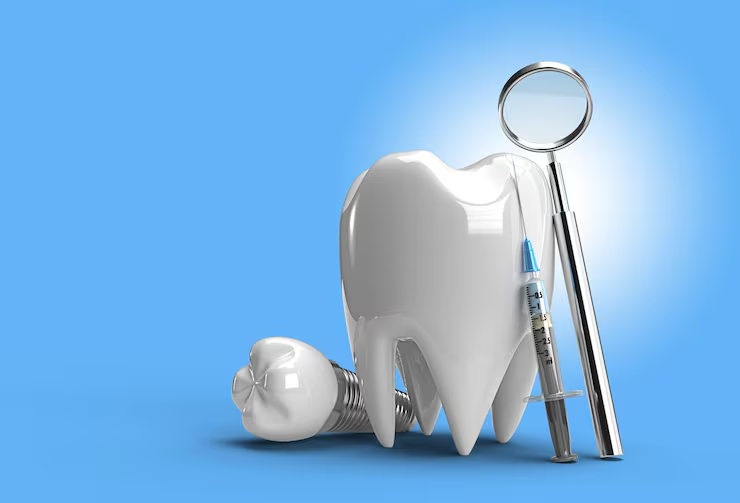
Dental implant treatment is both a functional and aesthetic procedure. Every patient’s oral anatomy, goals, and health history are different.
This is why evidence-based treatment planning, modern technology, and individualized care are essential components of successful implant dentistry.
Experienced dental providers focus not only on replacing missing teeth but also on restoring:
- Proper bite function
- Oral health
- Facial balance
- Smile aesthetics
- Long-term comfort
Patients benefit most when working with dental professionals who prioritize ongoing education, precision, and patient-centered care.
Conclusion
One of the latest and most efficient treatments for missing teeth replacement is dental implants. These provide patients with durable and functional prosthetics that also promote good oral health.
It is essential for patients seeking dental implants to be fully aware of the significance of their overall oral health, recovery period, post-procedure care, and choosing a professional dentist for this type of dental surgery.
If you have been thinking about undergoing dental implants and are searching for reliable dentistry in Walnut Creek, we can be of great help! At Milcovich Dental Arts, we specialize in providing implant dentistry services utilizing the latest technology and techniques.